

Parents' Guide: How to Pass DGCA Exam in First Attempt
Paying the ground school fee tells you nothing about whether your child understands Air Regulations or is still guessing on Aviation Meteorology. The real answer to how to pass DGCA exam in first attempt is daily visibility. Track subject-wise scores, isolate the wrong answers, and close the weak areas weeks before the exam date, not after a retest fee arrives.
The Habits Behind a First-Attempt Pass
- Enrollment is not progress: a paid ground school does not prove your child is exam-ready. Subject-wise score data does.
- Error-log repetition beats re-reading: re-attempting only the questions answered wrong closes a weak subject faster than rereading whole chapters.
- A missed exam slot costs more than the retest fee: it also pushes simulator and flight training bookings back by weeks.
- Shared dashboards surface trouble early: when the parent, the student and the institute read the same scores, a weak subject shows up before the exam rather than in the result.
- A failed subject has a fixed recovery path: DGCA allows a reappear after a minimum gap of 42 days, and that gap is study time, not waiting time.
DGCA First-Attempt Habits and How Often They Run
| Habit | What It Does | Typical Frequency | Who Owns It |
|---|---|---|---|
| Daily mock tests | Builds exam stamina and question-pattern familiarity | 20-30 minutes daily | Student |
| Wrong-answer repetition | Closes weak areas without re-reading whole chapters | After every mock test | Student |
| Parent dashboard review | Flags a slipping subject before it becomes a failed exam | Weekly | Parent |
| Exam and checkride reminders | Prevents missed slots and re-registration delays | Automated, ongoing | Parent and student |
| Seven-subject exam calendar | Sequences subjects so training isn't stalled waiting on results | Set once, reviewed monthly | Parent and institute |
| Retest planning | Books the next available slot immediately after a fail, rather than waiting | As needed | Parent and institute |
What a Parent Does Each Week
Five habits carry a student through the DGCA ground exams on the first attempt. Run them in this order every week.
- Check that a mock test was sat on most days, in blocks of 20 to 30 minutes.
- Open the dashboard and read the score trend for each subject, not the latest single score.
- Pick the one subject with the flattest trend and agree what gets re-attempted from the error log.
- Confirm the next exam window and checkride date are still on both reminder feeds.
- Once a month, check the seven-subject calendar against the simulator and flight training bookings.
A week where nothing is slipping takes a few minutes. A week where a subject has gone flat sets the next study block, and the fixes below say how to run it.
The Problem: Why Paying the Fee Isn't the Same as a First-Attempt Pass
Most sponsors sign the enrollment form, transfer the fee, and assume the ground school handles the rest. That assumption is where repeat exam costs quietly start. A ground school teaches the syllabus. It does not always tell you, in real time, which of the seven DGCA subjects your child is weak in.
Fees cover instruction. They do not cover accountability. If nobody reads the weekly mock scores, a student can drift through six months of classes and still walk into Air Navigation underprepared.
The bill for that arrives in three parts: a failed attempt, a fresh application and fee, and a delayed simulator or flight training slot that was booked around a clean pass. The same pattern shows up in the mistakes instructors see most often during ground school.
Parents have a right to see where their child stands. Not to interrogate them nightly, but to know, subject by subject, whether the score trend is climbing or stuck. Repeat fees are avoidable costs, not fixed ones, which is what a true pilot training cost breakdown depends on.
The Solution: How Can Parents Track Daily Progress Without Micromanaging?
Parents can track progress by reading a shared dashboard once a week instead of quizzing their child every night. Platforms like RAPT show subject-wise scores, time spent per topic and attempt history. The conversation shifts from "how did you do today" to "let's fix Technical General this week."
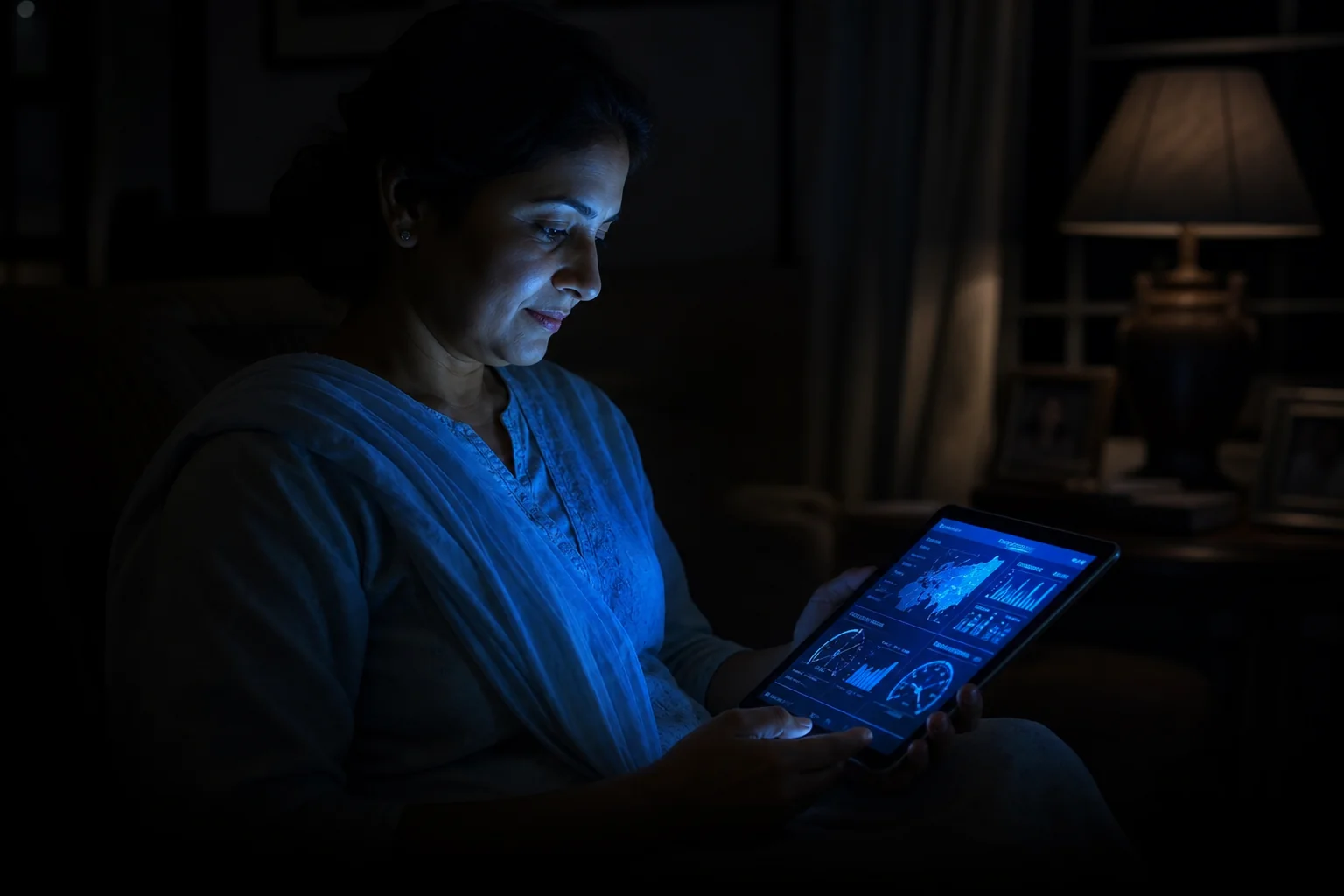
The dashboard replaces guesswork with numbers. A parent in RAPT's parent view can see that Aviation Meteorology has sat flat at 55% for two weeks while Air Regulations climbed to 85%. That single reading is worth more than a month of "how is studying going", because it names the subject the next study block belongs to.
It also changes how the ground school behaves. When a parent reads the same data the institute reads, a question about a stalled subject gets answered with evidence instead of reassurance. The questions worth asking about a parent dashboard are a good place to start before enrollment.
Fix 1: Set Up Daily Mock Testing, Not Just Weekly Revision
Weekly revision feels productive. It rarely builds the stamina a DGCA paper demands, which runs two to three hours and carries fifty to a hundred questions. Daily mock testing, even in blocks of 20 to 30 minutes, trains a student to recognise question patterns under a clock.
Rian Air's ground training draws on a bank of over 20,000 DGCA-aligned questions. A student can sit a fresh, representative mock almost every day without meeting the same set twice. The RAPT question bank for CPL and ATPL is where those mocks come from.
The goal is not one big score. It is a trend line. A single 70% means little. Three consecutive mocks climbing 60%, then 75%, then 82% tell you the subject is genuinely improving.
Read that trend weekly rather than reacting to a single test. Three flat scores in a row are a signal to act. Three climbing scores are a signal to leave the subject alone and spend the week elsewhere.
Fix 2: Isolate and Repeat Only the Wrong Answers
Re-reading a whole chapter after a poor mock wastes time on material the student already knows. The faster fix is an error log. After every mock, the student re-attempts only the questions answered wrong.
The repetition schedule is what makes it stick:
- Same day: log every wrong answer, with the subject and the topic it came from.
- Next day: re-attempt those questions cold, before any fresh mock.
- One week later: re-attempt them again, mixed into the day's mock.
- Still wrong on the third pass: take that topic to the instructor by name, not as "I'm weak in Navigation".
This works because it targets the exact gap, whether that is a formula in Air Navigation or a regulation number in Air Regulations. It is also faster. A student clears a forty-question error log in the time three chapters would take to reread.
For what each DGCA subject actually tests, families can work from the DGCA CPL exam subjects and syllabus checklist, which maps where weak areas usually show up.
Fix 3: Use Reminders So No One Misses Exam or Checkride Dates
A missed DGCA exam slot or checkride date costs more than a rebooking fee. It pushes the whole training calendar back, because simulator sessions and flight blocks are scheduled around an assumed exam-clearance date.
RAPT sends synced reminders to the student and the parent for upcoming exam windows and checkride schedules. A date is no longer discovered when it is already too close to prepare for.
The shared feed matters more than the reminder itself. A parent is not relying on a nineteen-year-old to mention an approaching deadline. It appears on both dashboards at the same time, so neither side can assume the other is tracking it.
Fix 4: Treat a Failed Subject as a 42-Day Sprint, Not a Pause
A failed subject is the one moment where the parent's response changes the timeline more than the student's. The gap period is fixed. What goes into it is not.
The Solution: What Should Parents Do If the Student Fails a Subject the First Time?
If a student fails a DGCA subject, book the next available reappear slot immediately. Then run a focused, error-log-based sprint on that subject alone. Do not wait weeks, and do not restart general revision across all seven subjects.
DGCA permits a reappear after a defined gap of 42 days. Treated as a sprint rather than a pause, that gap is enough to rebuild one subject from the error log while the rest of the calendar holds.
Rian Air's money-back promise sits behind this: if Rian Air fails to get a student through the DGCA exams, the student gets their money back. Terms and conditions apply, and families should ask for the T&C sheet before enrolling.
Fix 5: Plan the Exam Calendar Across All Seven Subjects
The DGCA CPL exam spans seven subjects. Sitting them in the wrong order, or all at once, is a common way a first-attempt pass slips away.
Sequencing is the lever. Pair a strong subject with a weak one in the same testing window. A student holding 85% in Air Regulations and 55% in Aviation Meteorology should sit those two together, not stack Meteorology alongside two other weak papers.
The calendar also protects the rest of the pipeline. Simulator hours and flight training slots are reserved on the assumption that ground exams clear on schedule. Review the calendar monthly, next to the dashboard.
When a subject is behind pace, decide early. An extra two weeks of preparation is cheaper than an exam sat underprepared, and delaying a booking is cheaper than a retest. Students planning the route beyond ground exams can follow the full path in how to become a commercial pilot in India after 12th.
Delhi, Mumbai and Kerala: The Local Problem and the Local Fix

Delhi: Exam Slots That Book Out in Peak Season
The problem in Delhi is availability. DGCA exam centre slots book out quickly in peak season, and a student who waits is pushed into the next window. The fix is to confirm exam windows six to eight weeks ahead rather than assuming a slot will be free close to the target date.
Mumbai: The Deadline That Sits Between Two Cities
Mumbai families often juggle travel between ground school and exam or simulator sessions in other cities. A missed travel-linked deadline is harder to recover from than a local one, because the next slot and the next trip both have to line up. The fix is the shared reminder feed, read by the parent as well as the student.
Kerala: Simulator Time Before Flight Hours
Kerala-based students have direct access to Rian Air's C172 fixed-base simulator in Thrissur, one of the state's first. It solves the theory-to-cockpit gap by letting a student turn exam-subject theory into cockpit familiarity before full flight training begins.
Air Navigation and Technical General stop being paper subjects once a student flies them in the simulator. How that training works, and why it belongs before flight hours start, is covered in how fixed-base simulator training actually works.
The Fix: What Shared Transparency Between Student, Parent and Institute Changes
Shared transparency reduces repeat attempts because a weak subject becomes visible weeks before the exam, while there is still time to fix it. When all three parties read the same scores, nobody quietly assumes someone else is handling it.
Institute accountability shifts too. A ground school that knows a parent can see subject-wise scores has less room to offer reassurance in place of an improvement plan.
Not every institute welcomes that visibility. Treat a school's willingness to share subject-wise data as a signal in its own right, and put it on the list of questions to ask before enrolling.
Fix 6: Read the Scholarship and Money-Back Terms in Full
Rian Air runs a Women Empowerment Program offering zero-fee DGCA ground training for aspiring women pilots on merit, with a refundable commitment deposit. A gender-neutral, merit-based scholarship is open to all qualifying candidates.
Both routes depend on the same daily habits: mock testing, error-log repetition and weekly dashboard reviews. Merit-based access does not remove the need for exam readiness. It raises the stakes on getting the first attempt right, because the funding rests on merit that has to be demonstrated. What each route covers is set out in what a scholarship in pilot training actually covers.
Families weighing which pathway supports this kind of structured preparation, in India or abroad, can compare options via Explore Pathways.
Rian Air's money-back promise: if Rian Air fails to get a student through the DGCA exams, the student gets their money back; terms and conditions apply, ask for the T&C sheet.
Common Exam Questions, Answered
How many DGCA attempts does a student get per subject?
DGCA does not cap the total number of attempts for a CPL ground subject. Each failed attempt needs a fresh application and fee, and a minimum gap of 42 days before reappearing. That is why first-attempt preparation, tracked daily rather than assumed, saves both money and months.
What does a reappear cost in time and money?
The student re-registers for that subject, pays the applicable fee again, and waits out the DGCA-mandated gap of 42 days. Use that gap for a targeted error-log sprint rather than general revision. It is the difference between clearing the subject on the second attempt and repeating the first one.
When can a student sit the failed subject again?
DGCA specifies a minimum gap of 42 days between a failed attempt and the reappear exam. Confirm the current gap with DGCA or the training institute at enrollment, since it decides how tightly the training calendar can be planned.
Is daily tracking the same as micromanaging?
No, because the parent reads data weekly and the student runs the study daily. The dashboard carries the subject-wise scores, the time spent per topic and the attempt history, so the parent never has to ask for a nightly account of progress.
Which subject should a parent look at first on the dashboard?
The one with the flattest trend, not the lowest score. A subject sitting at 55% for two weeks needs the next study block more than a subject that dipped once and recovered.
Tracking a child's DGCA preparation weekly, rather than trusting a single institute update, is the biggest lever a sponsor has over repeat costs and training delays.
To see what that tracking looks like for your own child, check your eligibility for Rian Air's RAPT-based ground training. Or talk to a pilot career advisor about setting up a parent dashboard before the first exam date is booked. For day-to-day training updates, follow along on Instagram or YouTube.