
A Parent's Checklist: Questions to Ask Before Enrolling in Pilot Training Academy
Before signing any enrollment form, a parent should get straight answers on five things: total cost with no hidden add-ons, the academy's accident and incident history, its current fleet and avionics standard, a working system to track progress remotely, and a clear path from ground school to a flying licence. These are the real questions to ask before enrolling in pilot training academy, and a brochure alone will never answer them.
Key Takeaways
- Cost transparency: Ask for a full fee breakdown covering ground school, simulator hours, flight training, and type rating, not just the headline admission fee.
- Safety record matters more than marketing: Request the academy's DGCA approval number, aircraft accident history, and instructor-to-student ratio before paying a rupee.
- Progress visibility is non-negotiable: A working parent dashboard or digital logbook that updates in real time separates a professional academy from a paperwork operation.
- Ground training location doesn't lock the whole path: Many academies, including Rian Air with centres in Thrissur, Dwarka, and Thane, let students choose flight training in India or abroad after ground school.
- Expansion plans reveal financial health: An academy investing in new simulators or centres signals stability; one that can't answer this question may be running on thin margins.
At a Glance: The Parent Enrollment Checklist
| Category | Core Question | Why It Matters |
|---|---|---|
| Finances | Is there a written, itemised total cost? | Prevents mid-course surprise fees |
| Safety | What is the accident/incident record? | Direct measure of training risk |
| Regulatory | Is the DGCA approval current and verifiable? | Non-approved schools can't issue valid hours |
| Aircraft & Avionics | What aircraft type and cockpit avionics are used? | Affects real-world job readiness |
| Progress Tracking | Is there a parent dashboard or digital logbook? | Gives sponsors visibility without chasing calls |
| Track Record | How many batches have completed CPL so far? | Shows the academy actually delivers outcomes |
| Expansion | What are the academy's growth plans? | Signals financial stability and continuity |
| Career Pathway | What options exist after ground training? | Determines flexibility for CPL and type rating |
Why Parents Need a Different Set of Questions Than Students
Students ask about hostel food and flight schedules. Parents, as sponsors, need a different lens entirely. They are underwriting a multi-year, multi-lakh commitment, and the questions that matter to them rarely appear in a glossy prospectus.
A sponsor needs verifiable facts: regulatory approvals, financial terms in writing, and a way to check progress without depending on a phone call that may or may not get answered. This is why the parent dashboard for tracking pilot training progress has become a benchmark many families now expect as standard, not a bonus feature.
The rest of this checklist is organised the way a sponsor should actually use it: money first, safety second, then the operational details that decide whether your son or daughter gets into a cockpit on schedule.
1. Financial Questions Every Sponsor Must Ask
Money questions come first because vague fee structures cause most mid-course disputes. Ask for every cost in writing, including exam retake fees, simulator overage charges, and accommodation, before you pay the first installment.
- What is the complete, itemised cost from ground school through CPL, including retests?
- Are there separate charges for simulator hours beyond the standard package?
- What happens financially if a student fails a DGCA subject and needs to reattempt?
- Is there a written policy on the money-back promise if the student doesn't clear DGCA exams, and what conditions apply?
- Does the academy have tie-ups with banks for an education loan for pilot training, and what's the eligibility criteria?
- Are scholarship seats, including any women's or merit-based programs, awarded on transparent criteria?
- Is there an installment plan tied to training milestones, or is full payment demanded upfront?
- Are international training costs (visa, accommodation, currency conversion) separate from the domestic fee, and who manages that budgeting?
Rian Air's own fee model has been detailed in a pilot training cost breakdown covering hidden fees parents often miss. Reading through a resource like this before your first counselling session puts you in a stronger negotiating position.
Is Cheap Pilot Training Worth It?
Cheap pilot training is rarely worth it once hidden costs surface, because a low headline fee usually means fewer simulator hours, older aircraft, or gaps that turn into expensive re-training later. The real comparison is total cost to a completed, employable licence, not the enrollment brochure price.
Families searching for the cheapest option often end up paying more overall, through repeat exam fees, extended timelines, or aircraft downtime. A detailed breakdown of why cheapest flight training doesn't really exist walks through exactly where those extra costs hide.
2. Safety and Track Record Questions
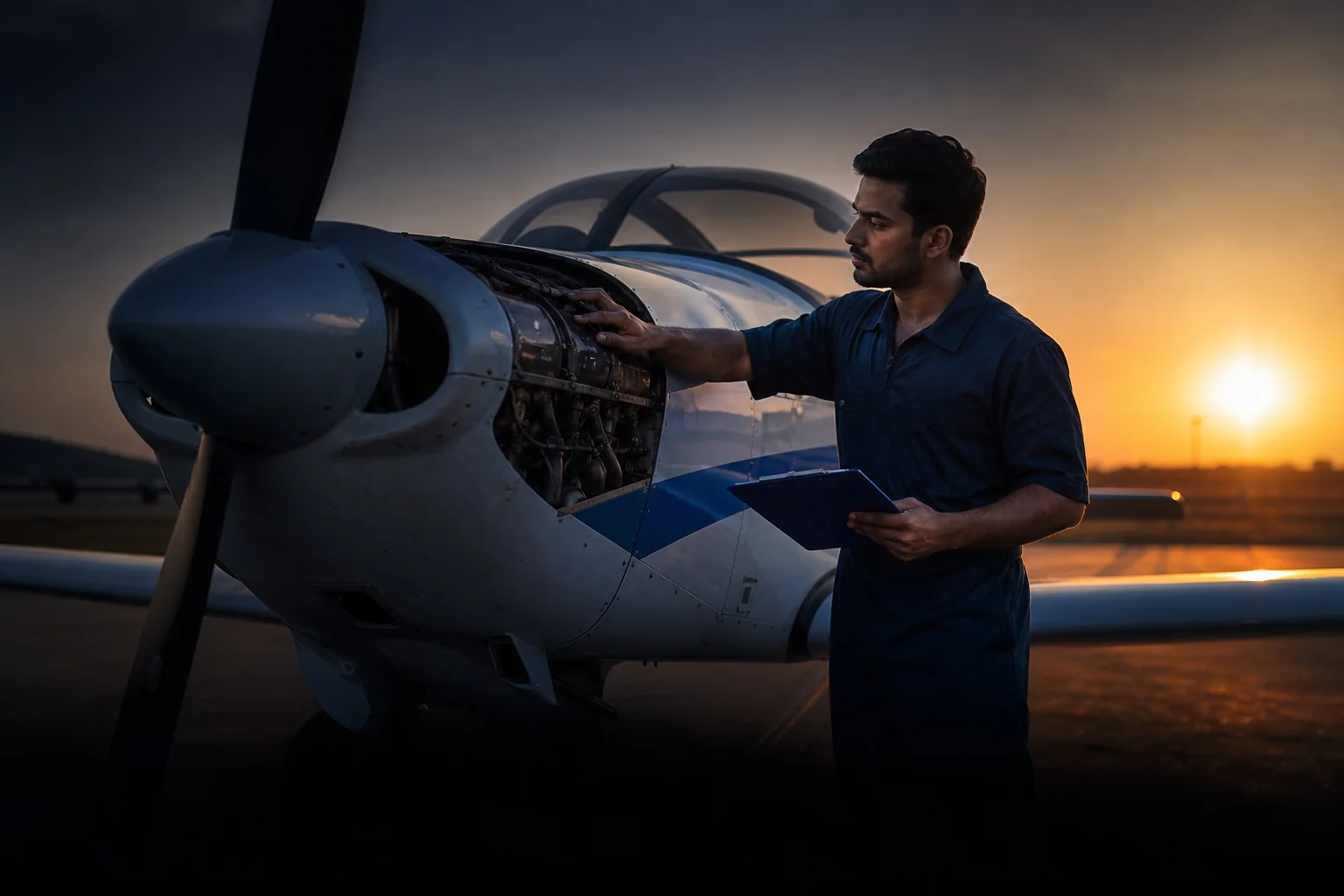
Safety questions decide whether your child trains on well-maintained aircraft under qualified instructors, or becomes a statistic. Ask for documented answers, not verbal reassurance, on accident history and maintenance schedules.
- What is the academy's full accident and incident record, including minor ground incidents, over its operating history?
- Is the DGCA approval number current, and can it be independently verified through the DGCA's official website?
- What is the instructor-to-student ratio during ground school and simulator training?
- How often are aircraft inspected, and is the maintenance log available for review?
- What is the average age of the training fleet, and when was it last upgraded?
- Are instructors DGCA-certified with documented flying hours of their own?
- Does the academy carry adequate insurance covering students during flight training?
- What emergency protocols exist if a training flight is delayed or diverted?
Common ground school shortcuts also create downstream safety risk. The academy's own faculty have documented the common mistakes DGCA aspirants make during ground school, and a school that doesn't actively correct these patterns is one worth questioning further.
3. Academy History, Present Operations, and Expansion Plans
An academy's past tells you if it delivers outcomes. Its present tells you how it actually runs. Its future tells you if your child's training will be interrupted by a school shutting down mid-course. Ask about all three separately.
- How many years has the academy operated, and how many batches have completed CPL training?
- What percentage of enrolled students actually clear their DGCA exams and go on to fly?
- Where exactly are the ground training centres located, and are they DGCA-recognised at each site?
- Does the academy plan to add new centres or simulators in the next two to three years?
- Are there tie-ups with international flight schools for CPL flying after ground school?
Rian Air currently runs ground training out of Thrissur in Kerala, Dwarka in Delhi, and Thane in Maharashtra, giving families in different parts of the country a local option for the DGCA-heavy academic phase. Once ground school is done, students aren't locked into one path. They can choose flight training through Rian Air's own network or pick an external provider that fits their budget and timeline, a flexibility worth asking any academy about directly. Comparisons of destinations like CPL training in India versus Malta versus Tunisia are useful reading once you reach that decision point.
4. Aircraft, Simulators and Avionics Questions
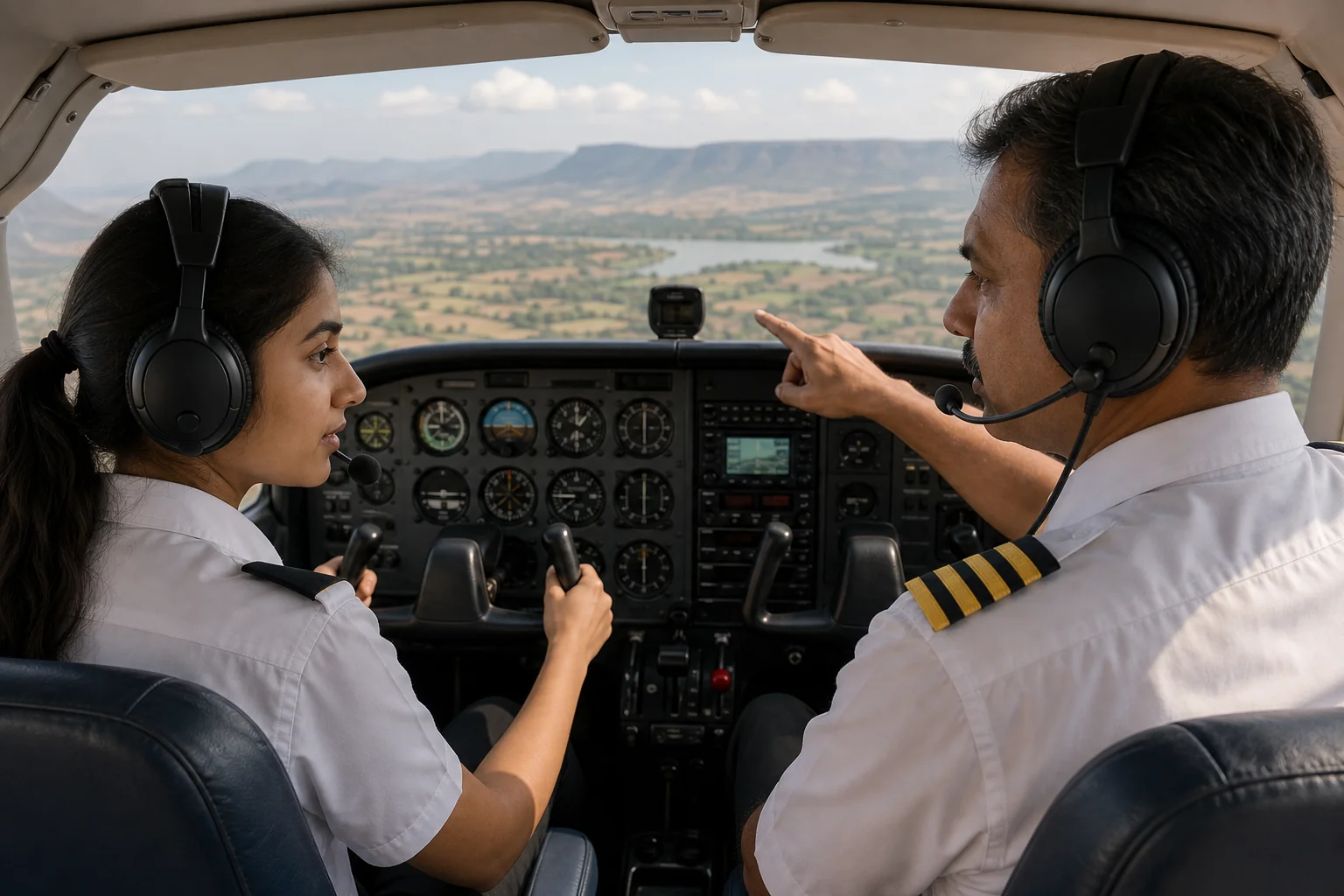
Avionics questions decide how job-ready your child will be after CPL. Airlines now expect familiarity with glass cockpits, not analog gauges from a decade-old trainer. Ask specifically what equipment the academy uses.
- Is simulator training fixed-base, full-motion, or a hybrid setup, and what's the difference in preparation value?
- What aircraft type is used for flight training (Cessna 172, Diamond DA40/42, or similar), and is the avionics glass-cockpit or analog?
- How many simulator hours are logged before a student's first real flight?
- Is there dedicated preparation available for A320 or B737 type ratings later in the pathway?
- How many aircraft does the academy operate, and what's the backup plan if one goes into maintenance?
Rian Air's fixed-base simulator training in Kerala and its hybrid simulator setup in Delhi are built specifically to close this gap before students ever sit in a real cockpit. A useful sanity check here: ask what a typical day in fixed-base simulator training actually looks like before assuming it's a token add-on.
Aircraft availability also affects how quickly a student progresses. Delays caused by scheduled maintenance are normal in aviation, but an academy should explain how it manages them. A candid account of flight training delays due to aircraft availability shows what a realistic, honest answer to this question sounds like.
5. Progress Tracking and Parent Visibility Questions
Progress tracking questions expose whether an academy treats parents as partners or bystanders. A dashboard that shows mock test scores, simulator hours, and attendance in real time is now achievable technology, not a wish list item.
- Is there a digital parent dashboard, and can you see a live demo before enrollment?
- How often are ground school test scores updated, and can parents see subject-wise weak areas?
- Is there a digital logbook tracking simulator and flight hours as they're completed?
- What is the escalation process if a parent has a concern about attendance or performance?
- Who is the point of contact for sponsors, and what's the average response time?
Rian Air's RAPT platform was built specifically around this gap, pairing a DGCA question bank with a digital logbook and parent dashboard so sponsors don't have to rely on periodic phone updates. It's a fair benchmark to hold any academy against, and the specific questions worth asking about it are covered in more depth in the parent dashboard questions guide.
6. Career Pathway and Post-CPL Questions
Career pathway questions matter because ground school is only the first phase. Ask what happens after it, since that's where the biggest cost and time decisions actually happen.
- After ground training, what flight training options does the academy offer, and can students choose an external provider instead?
- Does the academy support type rating preparation for A320 or B737, and is there guidance on which to pursue first?
- What support exists for building flying hours after CPL, before an airline type rating?
- Does the academy offer interview preparation or placement assistance for first officer roles?
- What alternative career routes (flight instructor, charter pilot) does the academy discuss if airline hiring slows?
A useful framework for this last question is the comparison of airline pilot versus charter pilot versus flight instructor paths, since not every graduate goes straight into an airline cockpit.
How Do I Know if a Pilot Training Academy Is the Best Fit?
The best pilot training academy in India for your family is the one that answers every question on this checklist with documents, not promises. Verified DGCA approval, a clean safety record, real fee transparency, and working progress-tracking tools together define fit better than rankings or brand size alone.
Salary expectations also factor into this decision for many families. A commercial pilot's monthly pay in India varies significantly by airline seniority and aircraft type, and no academy should promise a fixed number. Treat any guaranteed salary claim as a red flag rather than a selling point.
The Full 30-Question Checklist
Use this as a working document during counselling calls. Bring a printed copy and note every answer against it.
- What is the complete, itemised total training cost?
- Are simulator hours beyond the standard package charged separately?
- What happens financially if a DGCA subject needs to be reattempted?
- What exactly does the money-back promise cover, and what conditions apply?
- Does the academy have education loan tie-ups, and what's the eligibility criteria?
- Are scholarship seats awarded transparently, on merit or need?
- Is there a milestone-based installment plan?
- Are international training costs budgeted separately from domestic fees?
- What's the full accident and incident record of the academy?
- Is the DGCA approval number current and independently verifiable?
- What is the instructor-to-student ratio?
- How often are aircraft inspected, and is the log available for review?
- What is the average age of the training fleet?
- Are instructors DGCA-certified with their own documented flying hours?
- Does the academy carry adequate student insurance?
- How many years has the academy operated?
- How many batches have completed CPL training so far?
- What percentage of enrolled students actually clear DGCA exams?
- Where are the ground training centres located, and are they DGCA-recognised?
- Does the academy plan new centres or simulator upgrades soon?
- Are there tie-ups with international flight schools for CPL flying?
- Is simulator training fixed-base, full-motion, or hybrid?
- What aircraft type and avionics standard is used for flight training?
- How many simulator hours are logged before the first real flight?
- Is there a digital parent dashboard with a live demo available?
- Is there a digital logbook tracking hours as they're completed?
- What's the escalation process for a parent's concern?
- After ground training, can students choose a different flight training provider?
- Is there support for A320 or B737 type rating preparation?
- What alternative career paths does the academy discuss beyond airline hiring?
- What is the average timeline from enrollment to a completed CPL?
Frequently Asked Questions
What documents should I ask for before paying any fee?
Ask for the DGCA approval certificate, a written fee schedule, the maintenance log summary, and the terms sheet covering the money-back promise. Verbal assurances without paperwork should be treated as incomplete answers.
Can my child train in Kerala and still fly internationally later?
Yes. Ground training completed at a centre like Thrissur, Kerala doesn't restrict later choices. Students can pursue CPL flight training in India or abroad depending on budget, timeline, and the academy's tie-ups.
How do I verify an academy's accident record independently?
Cross-check the aircraft registration and any reported incidents through India's DGCA and, where relevant, records from the Aircraft Accident Investigation Bureau, rather than relying only on what the academy discloses.
A checklist only works if you insist on written answers. Any academy confident in its own record will hand over documentation without hesitation.
Rian Air's ground training centres in Thrissur, Dwarka, and Thane are built around exactly the transparency this checklist demands, from a real-time parent dashboard to a documented aircraft maintenance schedule. If you're ready to compare answers directly, you can start your pilot training enquiry or first explore the available training pathways to see which fits your family's budget and timeline. For regular updates on simulator sessions and student progress, follow along on Instagram or subscribe on YouTube.