Pilot Training In Tunisia ? Why Is Tunisia Preferred Over South Africa By Indian Students
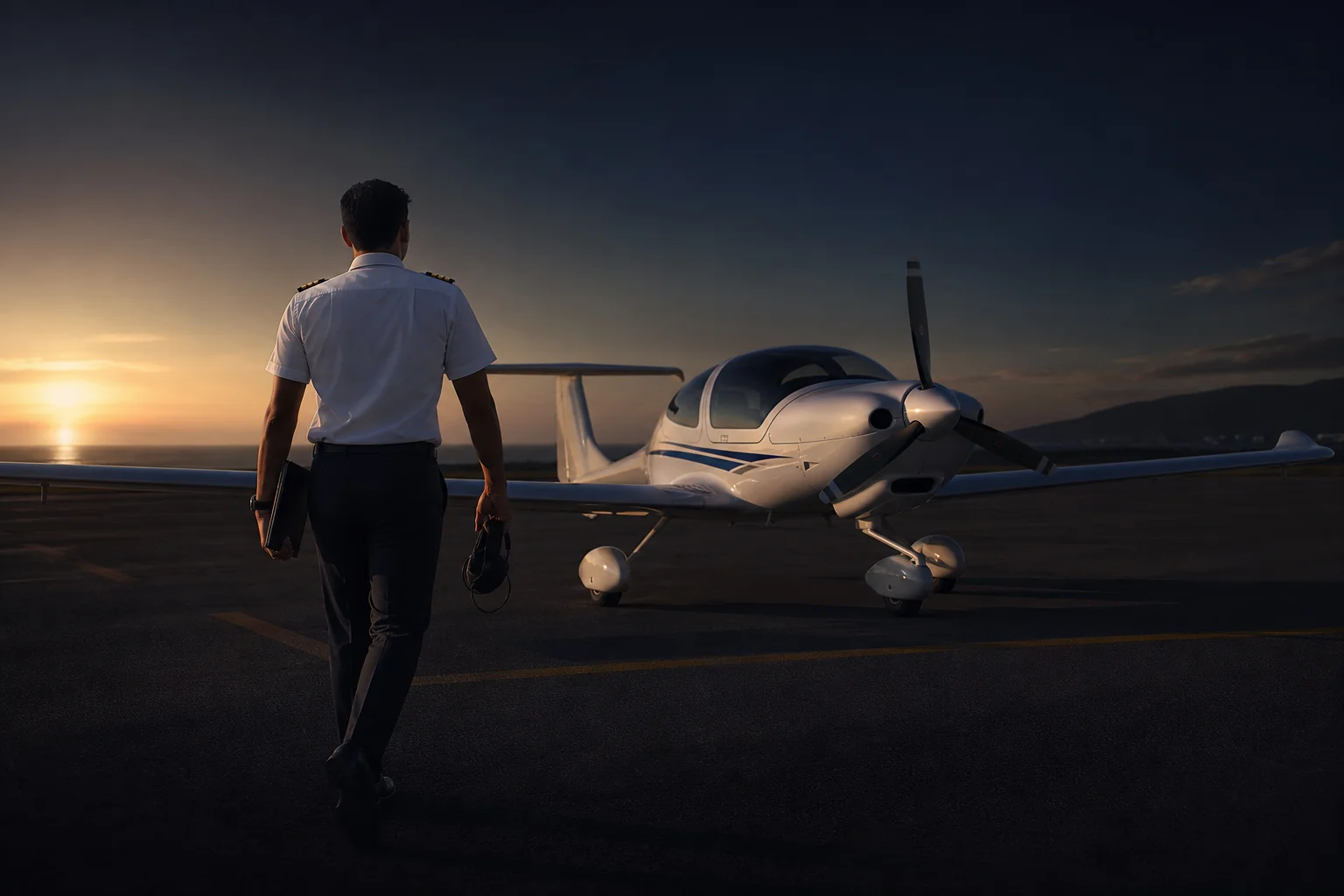
Pilot training in Tunisia now runs through The Aviator Institute (TAI) in Monastir. TAI is a member of the Airbus Flight Academy Network. Students fly glass-cockpit DA40 and DA42 aircraft under EASA and DGAC oversight. Rian Air holds a five-year exclusive partnership with TAI. Only Rian Air students fill its DGCA-aligned seats there. Compare that to the crowded South African circuit, where roughly twenty different Indian agents feed the same handful of schools.
Key Takeaways
- Exclusive seats: Rian Air is TAI's sole Indian partner for five years. Its DGCA-aligned batch never competes with other agents' students for aircraft or instructor time.
- Airbus network membership: TAI joined the Airbus Flight Academy Network. This gives it access to Airbus-standard ab initio training methods, not available at most South African schools.
- Modern fleet: Training uses DA40 and DA42 aircraft with glass cockpits (digital instrument screens instead of old analog dials). This fleet is closer to what airlines actually fly than the older trainers common in South Africa.
- Multiple regulatory approvals: TAI operates under EASA, DGAC, and Cameroonian civil aviation approvals. This gives dual Tunisian and European certification paths.
- Base airport: Flight operations run from Monastir, a controlled international aerodrome. It has lower traffic density than many South African training airfields.
Tunisia vs South Africa at a Glance
| Factor | Tunisia (The Aviator Institute) | South Africa (typical Indian-agent schools) |
|---|---|---|
| Indian agent structure | One exclusive partner (Rian Air) for the DGCA-aligned batch | Around 20 agents funnel students into the same few schools |
| Fleet | DA40 / DA42, glass cockpit | Often older analog-panel aircraft |
| Airport type | Monastir, controlled international aerodrome | Varies; several are busy, uncontrolled training strips |
| Network affiliation | Airbus Flight Academy Network member | No equivalent OEM-backed network at most schools |
| Regulatory oversight | EASA, DGAC, Cameroonian civil aviation | South African CAA, varies by school |
| Safety record scrutiny | Lower reported incident volume among Indian trainees | Multiple fatal accidents involving Indian students reported in Indian media |
| Head office / ops split | Head office in Tunis, flight ops in Monastir | Ops usually at a single rural airfield |
| Cadet pathways | Nouvelair, Airbus, and DGCA-aligned (Rian Air only) | Generally one generic CPL package for all agents |
Why Rian Air Chose The Aviator Institute In Tunisia
Rian Air did not pick TAI because it was the cheapest option. It picked a partner where Rian Air students are the only Indian students on the ramp. They are not one batch among many, all fighting for the same aircraft slots.
That five-year exclusive deal matters more than it sounds. When a school works with a dozen or twenty different Indian agents at once, aircraft get overbooked. Instructor time runs short, and students end up waiting weeks for slots that should take days. TAI's setup with Rian Air avoids that exact bottleneck.
TAI's head office sits in Tunis, but flight training actually happens in Monastir, a controlled international aerodrome on Tunisia's coast. A controlled aerodrome means air traffic control manages every movement. This cuts the risk of the messy, uncoordinated traffic seen at busier, uncontrolled training fields elsewhere. The coastal location also gives students steady visual landmarks for navigation practice. And because it's an international airport, ground infrastructure, fuel supply, and maintenance support are all a step above a remote rural strip.
What Makes The Aviator Institute Different
Most flight schools courting Indian students lean on price alone. TAI leans on network affiliation, fleet, and layered regulatory approval. These three things actually affect training quality and the value of the licence you walk away with.
In 2026, TAI joined the Airbus Flight Academy Network. This followed a 2025 ab initio partnership agreement signed with Airbus Flight Academy at the Dubai Airshow. That membership brings Airbus-standard training methods into a school Indian students can actually access. Almost no South African academy in the current Indian pipeline can claim the same.
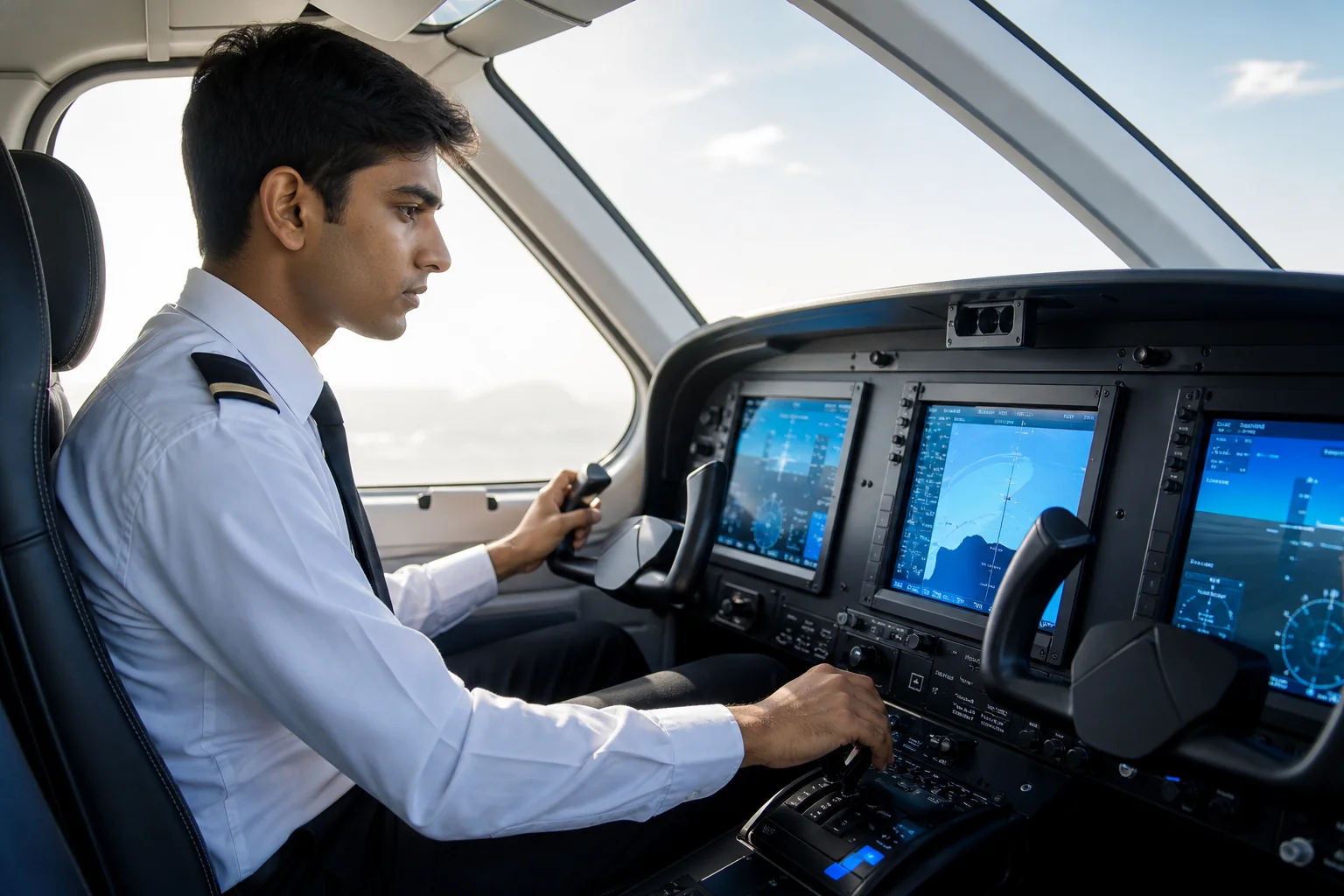
TAI trains on DA40 and DA42 aircraft with glass cockpits, using the same digital avionics philosophy found in modern airliner flight decks. Students who train on old analog gauges abroad often need extra time to adjust once they reach type-rating simulators. Glass cockpit familiarity from day one removes that gap.
The school's approvals stretch across more than one country. TAI operates under EASA, DGAC (Tunisia's civil aviation authority), and Cameroonian civil aviation approval. This gives students dual Tunisian and European certification routes, depending on the programme they join.
Three Distinct Cadet Pathways at TAI
- Nouvelair Cadet Programme: reserved for Tunisian nationals, feeding directly into Tunisia's Nouvelair airline.
- Airbus Cadet Programme: open globally to any eligible candidate, built around Airbus's own ab initio standard.
- DGCA-aligned programme: exclusive to Rian Air students. The whole flight training block maps to DGCA CPL requirements, so students can convert their licence smoothly once back in India.
Pilot Training in Tunisia vs South Africa: The Real Comparison
The honest comparison isn't scenic beaches versus safari lodges. It's agent overcrowding and aging infrastructure against a controlled, network-affiliated, modern-fleet operation. South Africa's popularity with Indian aspirants didn't come from better training outcomes. It came from an early cost advantage and years of agent marketing that outlasted the reasons it started.
Roughly twenty Indian agents currently route students into the same cluster of South African schools. That pile-up creates the exact overcrowding TAI's exclusive Rian Air arrangement was built to avoid. More students chasing the same aircraft and instructors means longer waits between flights. That erodes skill retention and stretches course timelines well past what was originally quoted.
Several Indian newspapers have reported fatal accidents involving Indian student pilots training in South Africa over the past few years. Coverage has linked these accidents to aging aircraft fleets and stretched instructor oversight at overcrowded schools. Despite that reporting, South Africa has stayed a default choice for many Indian families. Long-standing agent relationships, familiarity, and a lower headline cost keep pulling them in, even though hidden fees often erase that saving. Parents researching this trade-off should read our breakdown of hidden costs of pilot training abroad before comparing quotes on price alone.
Is Pilot Training in Tunisia Safe for Indian Students?
Yes. Pilot training in Tunisia at TAI is built around a controlled international aerodrome, multi-regulator oversight, and a modern glass-cockpit fleet. These three factors directly cut operational risk compared to overcrowded, older-fleet training environments. Monastir's controlled airspace and Tunisia's dual EASA/DGAC framework add extra scrutiny that most single-jurisdiction schools don't carry.
That doesn't mean flight training anywhere is risk-free. It means the structural safety factors, traffic control, fleet age, and regulator oversight, are stacked more in Tunisia's favour than at many crowded South African fields.
How the DGCA-Aligned Programme Works for Rian Air Students
Rian Air students don't arrive in Monastir cold. Ground school, covering the full DGCA syllabus, happens first in India through the RAPT™ platform. It offers a 20,000-plus question bank and simulator-linked progress tracking. Only after clearing ground exams do students move to Tunisia for flight training.
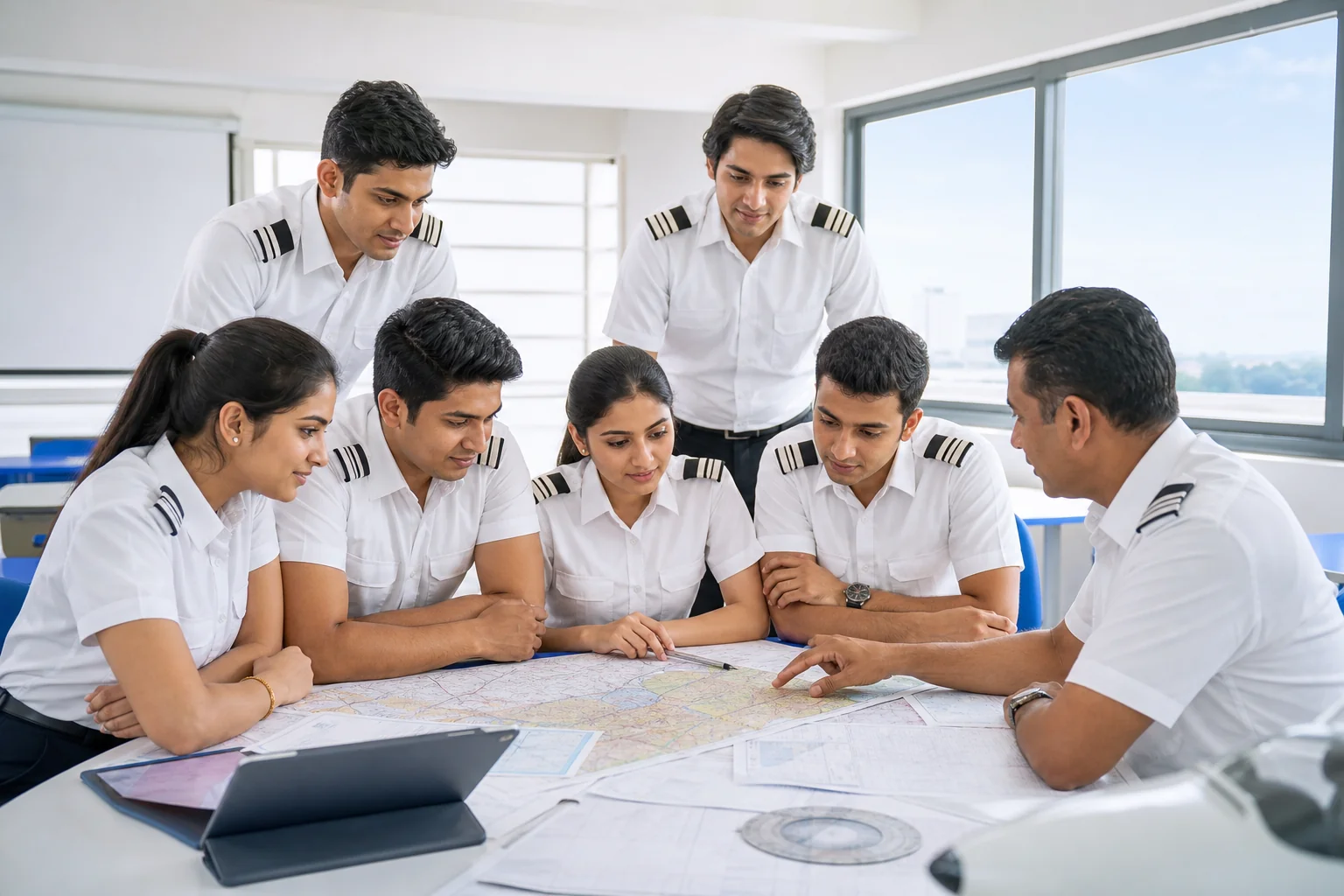
Because the DGCA-aligned batch at TAI is exclusive to Rian Air, students train alongside a defined, single-source group. They're not mixed with strangers routed in by a dozen different agencies. Every flying hour maps back to DGCA requirements, so there's no confusion about what counts toward the licence once the student returns to India.
Parents can track this remotely through Rian Air's parent dashboard. It shows flight hours logged, syllabus milestones cleared, and simulator performance data while the student is still in Tunisia. Agent-routed South African placements rarely offer this level of detail.
Students weighing India-based training against the Tunisia route can also compare the two directly through our guide on CPL training in India vs Malta vs Tunisia. It lays out timeline and structural differences across all three options.
Cost and Funding Considerations
Overseas flight training in Tunisia, Malta, or South Africa mostly costs more than a purely India-based CPL, once flights, stay, and currency conversion are added in. Ask Rian Air directly for current fee structures for the TAI programme. Don't rely on any third-party quote, since agent-routed schools are notorious for underquoting and adding fees later.
Families in Delhi, Mumbai, and Thrissur exploring funding routes should look at our detailed guide on education loan eligibility for pilot training. Also see how staged, milestone-based fee release works in practice through our installment payment plan case study. Both follow the same principle TAI's exclusive arrangement follows: pay for verified progress, not a vague promise.
Frequently Asked Questions
Why do so many Indian students still choose South Africa despite the safety reporting?
Agent momentum and a lower upfront cost keep South Africa popular, not better training outcomes. Around twenty Indian agents have built years of relationships with the same schools. Switching costs for those agents are high, so their marketing keeps pointing families there, even as newspapers report fatal incidents.
How long does the Tunisia flight training block usually take for Rian Air students?
Duration depends on weather, aircraft availability, and each student's pace. But an exclusive, uncrowded batch at TAI generally keeps timelines closer to plan than agent-routed schools, where slot competition causes delays. The training program is of 2 years on an average and can extend to 2.5 years in case of any exam delays.
Can any Indian student join TAI's Airbus Cadet Programme, or only Rian Air students?
The Airbus Cadet Programme at TAI is open globally to any eligible candidate. It isn't restricted to Rian Air students. The DGCA-aligned programme, however, is exclusive. Only students enrolled through Rian Air can access that batch, which is what keeps it uncrowded.
Choosing Between Tunisia and South Africa: What We'd Actually Recommend
Do controlled airspace, a modern glass-cockpit fleet, and an Airbus-network school with an uncrowded, exclusive Indian batch matter to your family? If so, Tunisia through TAI is the stronger structural choice right now. Students chasing the lowest possible headline price, and willing to accept a busier, older-fleet environment, may still lean toward South Africa. But they should go in with the accident reporting and overcrowding data in front of them, not behind them.
One thing genuinely isn't settled yet: how TAI's brand-new Airbus Flight Academy Network membership will affect seat pricing and intake sizes over the next two or three years as demand grows. That's worth revisiting once the network matures further.
If you are ready to see whether Rian Air's DGCA-aligned Tunisia batch fits your training timeline and budget, start your pilot training enquiry with Rian Air today. You can also explore all training pathways available across India, Tunisia, Malta, and New Zealand, follow real training updates on Instagram, or watch cockpit and campus footage on YouTube before you decide.