Why Indian Students Go Abroad For Flight Training?
Indian students go abroad for flight training mainly because, for years, India had too few flying schools, and agents sold overseas training as the only route. That reason is fading. India now has around 41 approved flying schools, so staying home is a serious option for Delhi, Mumbai and Thrissur aspirants.
Key Takeaways
- Old reason: Around 2005 India had roughly 8-12 flying schools, so many students were pushed overseas.
- New reality: About 41 DGCA-approved FTOs operate across 63 flying bases, with more in approval.
- Cost: Abroad runs about 50-80 lakh by location; the complete program in India runs 60-65 lakh.
- Hidden risks: Recency loss, licence conversion, visa, food and accommodation add stress and cost.
- Our view: Train in India first, unless a specific overseas programme beats a named Indian option in writing.
At a Glance: India vs Abroad
| Factor | In India | Abroad (Tunisia, Malta, New Zealand) |
|---|---|---|
| Complete program cost | 60-65 lakh | 50-80 lakh by location |
| Single-engine flight hour | 22,000-30,000 | Same band quoted; Malta and New Zealand cost more |
| Multi-engine flight hour | 45,000-65,000 | Same band quoted |
| Accommodation with 3 meals | About 20,000 INR a month (India) | Similar in Tunisia; far higher in Malta and New Zealand |
| Licence conversion | Not needed | Needed on return |
| Ground training | 6-12 months | Done in India first |
| Flight training | 18-24 months | Varies by school and weather |
Why Do Indian Students Go Abroad for Flight Training?
Students go abroad because India once lacked capacity. Around 2005 there were only 8-12 flying schools, seats were scarce, and agents promoted foreign academies as the practical answer. Many families paid for that route because they saw no alternative.
The agent effect
Agents earn from placements, so overseas training was easy to sell. A family in Delhi or Thrissur rarely heard a neutral comparison. That is why "abroad is better" became a belief before it was ever tested against Indian options.
Why ground schools boomed in India
Flying training organisations (FTOs) were never much concerned with ground training. Independent ground schools filled that gap and flourished across India. Today some FTOs want to bring ground training in-house, so the picture is shifting again.
How Has Flight Training in India Changed?
It has changed in scale. The Tribune reports 41 DGCA-approved FTOs operating across 63 flying bases, and more are going through approval. Eight to twelve schools has become dozens.
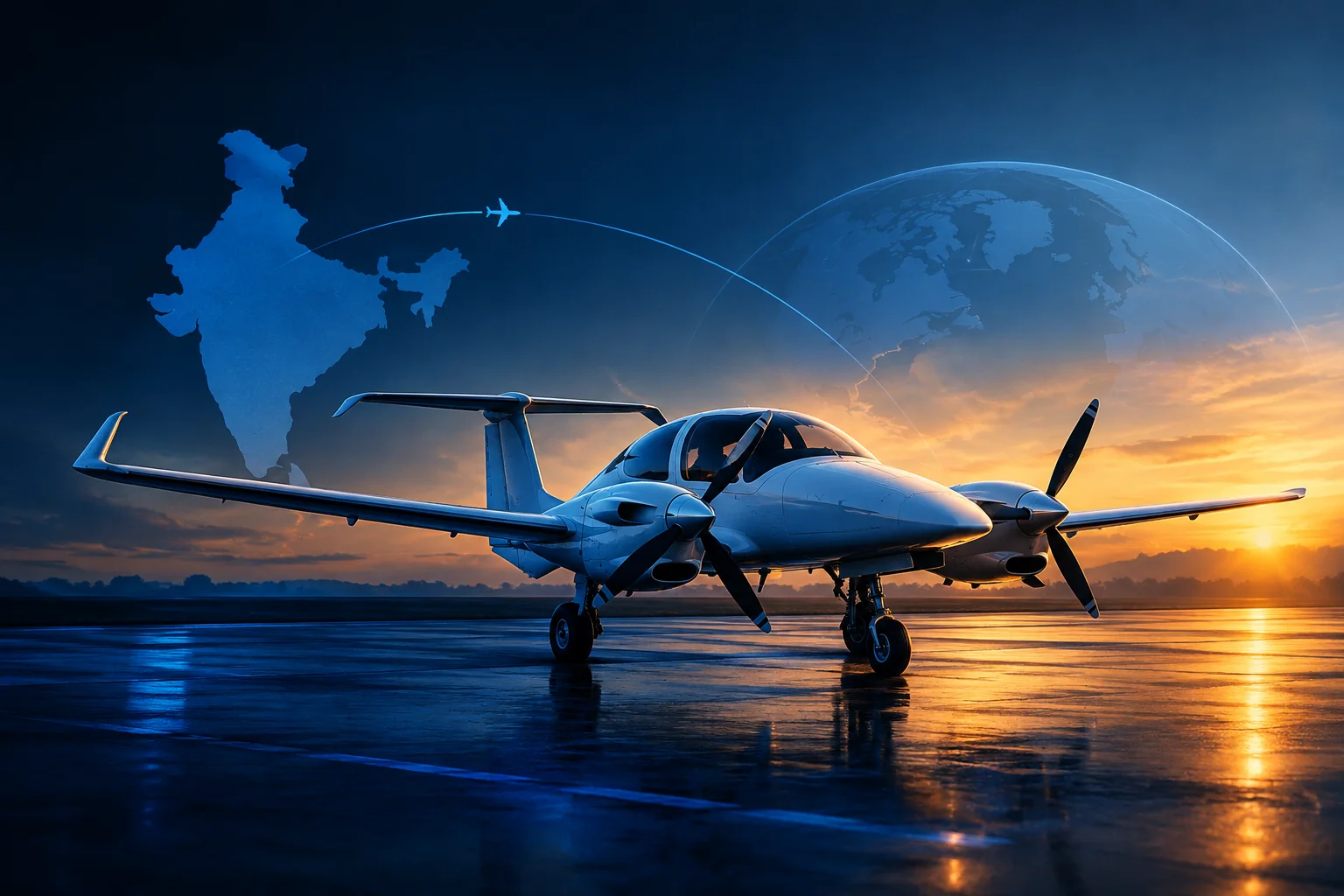
The same report notes that Indians still lean towards foreign centres, and The Tribune also found more than four in ten new commercial pilots this year trained abroad. Habit is slower than infrastructure.
UDAN, airports and fleets
The UDAN regional connectivity programme has pushed new airports and airstrips into smaller cities. More airports mean more training bases and less congestion at a few busy fields. Airlines keep ordering aircraft, so intakes at Indian FTOs keep growing.
Fly in India: the Khajuraho example
IFA Khajuraho is a good example of Indian flying with open skies and a quiet airfield. In our experience its flight cost sits above Tunisia and below Malta and New Zealand, which makes it a fair local benchmark. Read how this compares in CPL training in India vs Malta vs Tunisia.
What Mistakes Do Pilots Make When Training Abroad?
The common mistakes are ignoring recency, underestimating licence conversion, and budgeting only for tuition. Visa, food, accommodation and travel quietly add lakhs. Students also skip checking who regulates the school.
- Recency: Pilots who return and wait months for conversion lose flying currency.
- Conversion: A foreign licence must be converted for India. That cost lands when you come home.
- Visa and travel: Fees, flights and renewals repeat if training stretches.
- Food and accommodation: About 20,000 INR a month with meals in India or Tunisia, far more in Malta and New Zealand.
- Oversight: The Times of India reports the DGCA warned students and parents it has no role in regulating overseas pilot training quality or completion.
More detail sits in hidden costs of pilot training abroad.
India vs Abroad: What Does Each Route Really Cost?
Abroad costs about 50-80 lakh depending on location, while the complete program in India is 60-65 lakh. The gap is small once conversion, visas and living costs are added to the foreign figure.
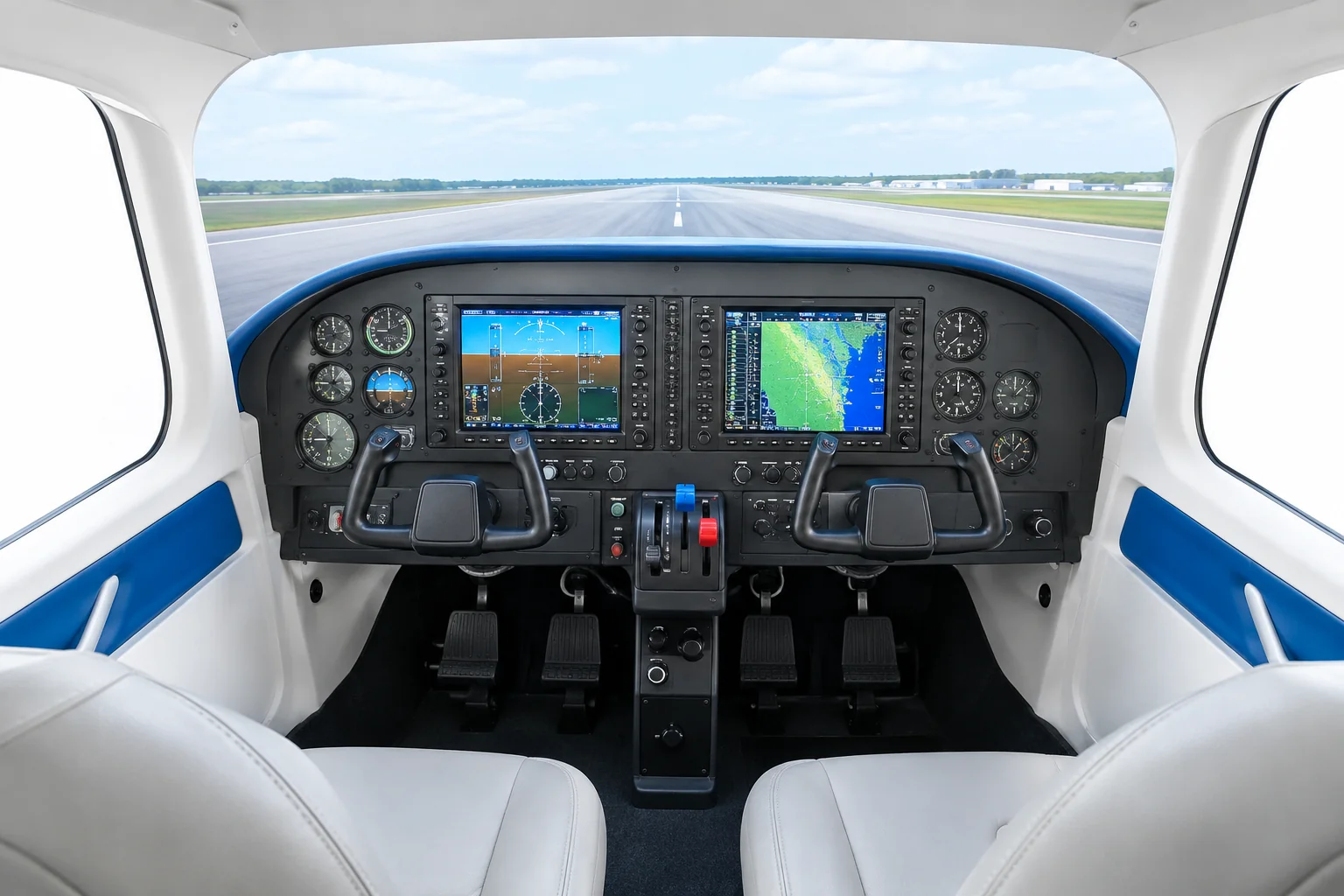
Per-hour rates run 22,000-30,000 for single-engine and 45,000-65,000 for multi-engine aircraft. Extras include DGCA exam fees of 2,500 per regular attempt, 5,000 for an old attempt, and medicals of 6,000-25,000 by type and centre. Type rating is 15-25 lakh by aircraft and location.
Ground training at Rian Air starts at 80,000 INR and goes up to 1.25 lakh, taxes extra, and includes 5 simulator hours on the C172 fixed-base simulator, described as Kerala's first. See the full India cost breakdown.
Is It Better to Train at Home During Bad Weather?
Yes, for most students. Weather delays happen everywhere, but at home you stay near family, food and your instructor, and you avoid paying foreign rent while waiting. Capt. Vikas Vikramdas Nair, who wrote this piece, puts it simply: better to sit out bad weather at home than suffer in a foreign country.
Indian monsoon and fog do cause delays, and aircraft availability can too, as in a student's diary on aircraft delays. That risk is real and not fully solved. Ask any school for its slot and fleet numbers.
How Should You Decide: India or Abroad?
Choose India unless an overseas school beats a named Indian option on total landed cost, in writing. Count conversion, visa, living costs and weather delays before comparing sticker prices.
- Finish ground training in India first (6-12 months), at Delhi, Mumbai or Thrissur.
- Ask each school for a total cost in writing, including exams and medicals.
- Check who regulates the foreign school and what conversion takes.
- Plan for 18-24 months of flight training either way.
Rian Air offers pathways in India, Tunisia and Malta, so we have no reason to push one route. Our campus near Ramphal Chowk, Delhi is a 1-2 minute commute for local students. Explore pathways to compare them.
Frequently Asked Questions
Why do Indian students go abroad for flight training?
Historically India had only 8-12 flying schools around 2005, and agents promoted overseas options. Many students left for lack of seats, not because foreign training was better.
Is flight training abroad cheaper than in India?
Not always. Abroad runs about 50-80 lakh by location; India's complete program is 60-65 lakh. Conversion and living costs can erase the gap.
How many flying schools are there in India now?
About 41 DGCA-approved FTOs across 63 bases, with more in approval, according to The Tribune.
Do I need to convert a foreign licence?
Yes, a foreign licence must be converted to an Indian one, and that cost arrives when you return.
How long does CPL training take?
For Rian Air students, 6-12 months of ground training and 18-24 months of flight training.
What does flying cost per hour?
22,000-30,000 for single-engine and 45,000-65,000 for multi-engine aircraft.
What are DGCA exam and medical fees?
2,500 per regular attempt, 5,000 for an old attempt; medicals cost 6,000-25,000 depending on type and centre. See Class 1 medicals.
Does Rian Air offer training abroad?
Yes, structured pathways in India and internationally, including Tunisia and Malta.
Is there a money-back promise?
Rian Air has a money-back promise on DGCA exams; terms and conditions apply, so ask for the T&C sheet through the enquiry form.
Can I fund training with scholarships or loans?
Rian Air has a Women Empowerment Program and a merit scholarship. Ask us for eligibility via the enquiry form.
Start Your India-First Plan
Why Indian students go abroad for their flight training is a story about old shortages, and that story has ended. Start your pilot journey with a written cost plan, or follow us on Instagram and YouTube for student updates.