One of the biggest misconceptions in aviation is that obtaining a Commercial Pilot Licence (CPL) automatically leads to an airline job.
The reality is quite different.
A CPL is not the destination. It is the licence that opens multiple doors.
Over the years, I have met many aspiring pilots who spent years focusing on obtaining their CPL but very little time understanding what comes next. In many cases, the most important career decisions are made after receiving a CPL.
So what happens after CPL?
The answer depends on the path a pilot chooses.
Broadly speaking, there are two major directions in aviation:
Transportation
Training
Both can lead to rewarding careers, but they are very different journeys.
The Transportation Pathway
When most students imagine their future, they picture themselves flying passengers from one city to another.
This is the transportation side of aviation.
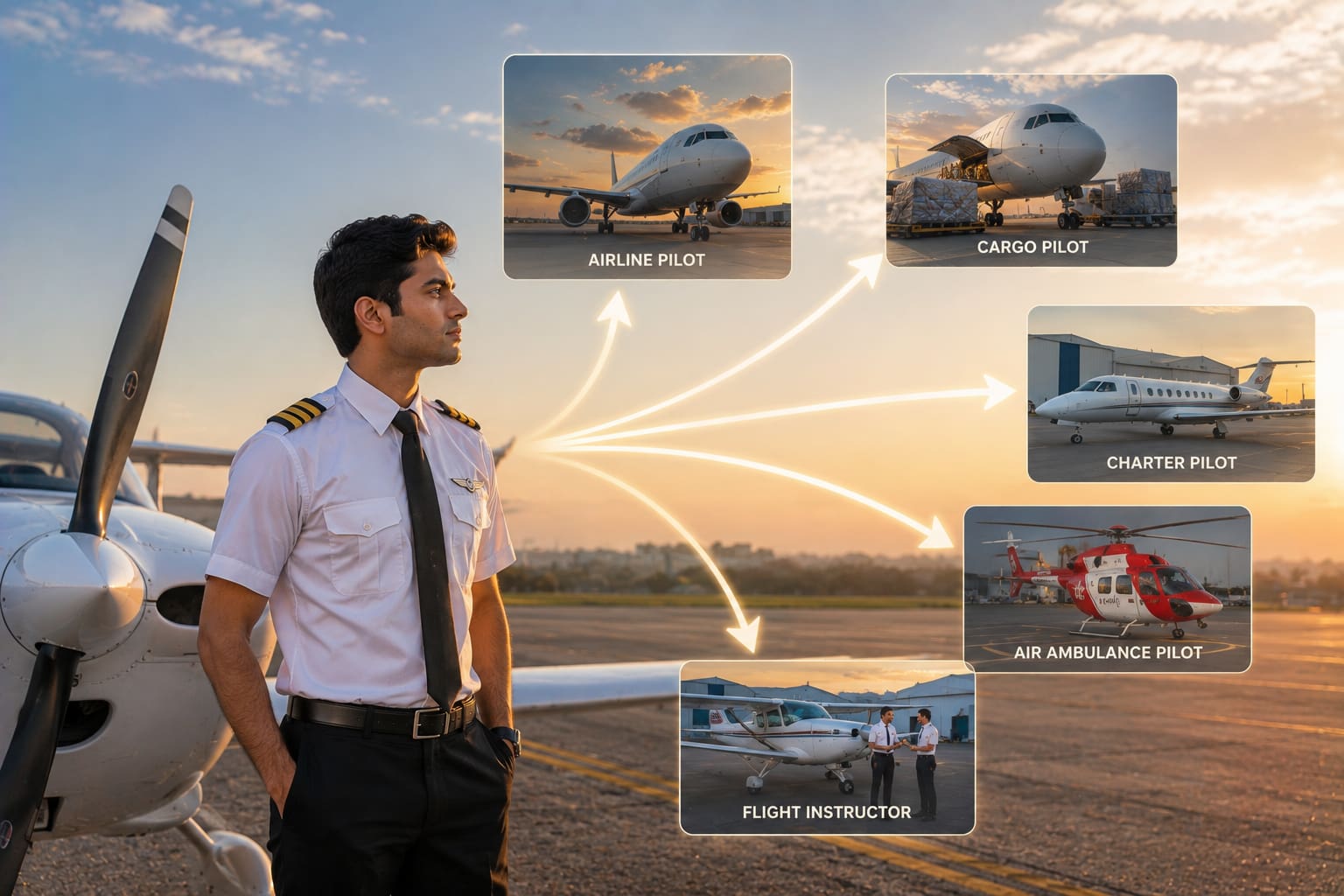
Transportation careers include several different sectors.
Airlines
Charter Operations
Cargo Operations
Air Ambulance Operations
Corporate Aviation
ℹ️
Many pilots spend their entire careers outside airlines and still build highly successful and rewarding aviation careers.
Airline Pilot
For many CPL holders, airlines remain the primary goal.
Airlines offer structured career progression, larger aircraft, multi-crew operations, and opportunities to eventually upgrade to command positions.
Structured career progression
Domestic and international operations
Multi-crew cockpit environment
Command upgrade opportunities
Long-term career growth
💡
A CPL alone is usually not enough for airline employment. Most airline pathways require additional qualifications and aircraft-specific training.
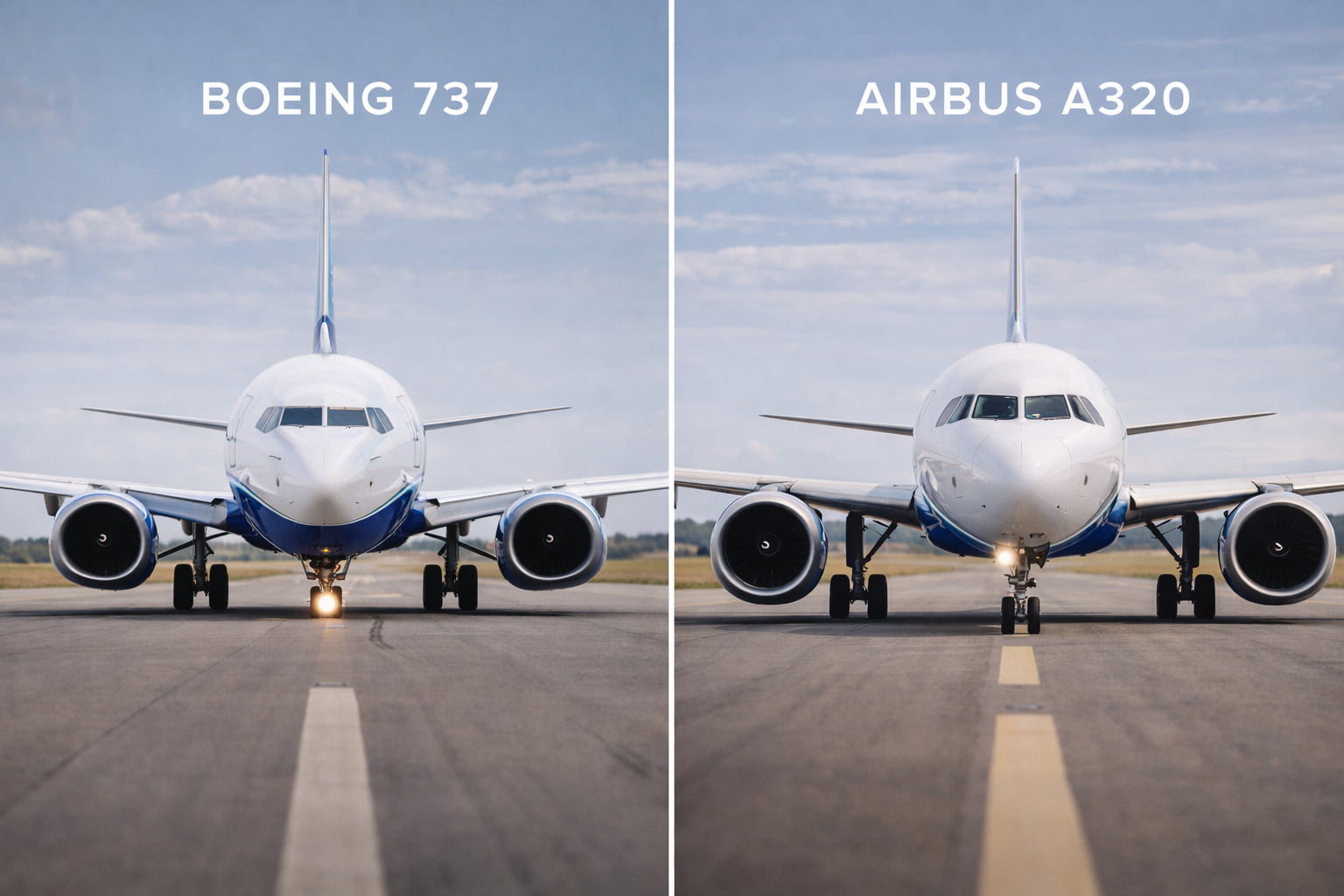
One of the most common next steps is obtaining a Type Rating on aircraft such as the Airbus A320 or Boeing 737.
Charter and Corporate Aviation
Not every pilot chooses the airline route immediately.
Many pilots build excellent careers in charter and corporate aviation.
These operations often provide diverse flying experiences and unique destinations.
Business aircraft operations
Executive travel
Private charter flights
Tourism operations
Special mission flying
Many pilots appreciate charter flying because no two days are exactly the same.
Cargo Aviation
Cargo aviation has become increasingly important as global logistics and e-commerce continue expanding.
Cargo pilots play a vital role in moving goods around the world.
Commercial freight transport
Medical supply transportation
E-commerce logistics
Overnight cargo operations
International freight movement
💡
Many successful airline captains began their careers in cargo aviation before transitioning into passenger operations.
Air Ambulance Operations
Few aviation careers carry the same sense of purpose as air ambulance flying.
These operations often support life-saving missions where time is critical.
Emergency patient transport
Organ transfer flights
Medical evacuation operations
Critical care support missions
The work can be demanding, but it is also among the most meaningful careers available in aviation.
The Training Pathway
Not every CPL holder enters transportation aviation immediately.
Some pilots choose a different path.
They become instructors.
Start your journey
Ready to become a commercial pilot?
Our admissions team can help you map out the right training path — from zero hours to a CPL.
Every airline captain was once taught by a flight instructor. Instructors play a direct role in shaping aviation safety and standards.
Why Pilots Become Flight Instructors
Many students mistakenly view instructing as a backup option.
In reality, flight instructing is one of the most respected pathways in aviation.
Build valuable flying experience
Improve technical knowledge
Develop communication skills
Strengthen decision-making ability
Accumulate flight hours
Mentor future pilots
💡
Teaching often makes pilots better learners because explaining aviation concepts requires a deeper understanding of the subject.
What Is a Flight Instructor Rating?
Pilots who wish to teach must complete additional training known as a Flight Instructor Rating (FIR).
This qualification allows pilots to train future aviators professionally.
Conduct flight training
Mentor student pilots
Teach flight exercises
Evaluate student performance
Contribute to aviation safety
For some pilots, instructing becomes a lifelong profession.
For others, it becomes a stepping stone toward airlines and other aviation sectors.
Which Career Path Is Better?
This is one of the most common questions asked by CPL holders.
The honest answer is simple.
There is no universally "best" pathway
Career choices depend on:
Personal goals
Available opportunities
Personality type
Long-term ambitions
Lifestyle preferences
Industry demand
Some pilots thrive in airline environments.
Others enjoy teaching.
Some prefer charter operations.
Others build successful careers in cargo aviation.
Aviation offers multiple definitions of success
The Biggest Mistakes Pilots Make After CPL
⚠️
One of the biggest mistakes new CPL holders make is comparing their journey with someone else's.
Aviation is not a race.
Career progression rarely follows a single formula.
Avoid:
Comparing yourself to social media posts
Rushing important career decisions
Chasing titles instead of competence
Ignoring long-term planning
Following trends without research
One pilot may enter an airline quickly.
Another may become an instructor first.
A third may spend years in charter operations.
Years later, all three may be equally successful
Advice to Every CPL Holder
If you have recently obtained your CPL, remember that your learning journey has only just begun.
Focus on:
Professionalism
Competence
Continuous learning
Good decision making
Building experience
Maintaining discipline
ℹ️
Aviation rewards consistency over time far more than short-term success.
Quick Answers
Can I join an airline immediately after CPL?
Some airline pathways are available after CPL, but additional qualifications such as Type Rating and airline-specific training are usually required.
Is becoming a flight instructor a good career option?
Yes. Flight instructing helps pilots build experience, improve skills, and contribute directly to the development of future aviators.
What is the difference between transportation and training pathways?
Transportation focuses on operating aircraft for airlines, charter, cargo, and other aviation services, while training focuses on teaching and developing future pilots.
Which career path is best after CPL?
The best pathway depends on personal goals, opportunities, and long-term career ambitions.
Final Thoughts
A CPL is not the destination many students believe it to be.
It is the beginning of a professional aviation journey.
Whether a pilot chooses transportation or training, success ultimately comes down to competence, professionalism, and continuous learning.
The aviation industry offers multiple pathways.
The challenge is not finding opportunities.
The challenge is choosing the pathway that aligns with your goals and then committing to it fully.
Because in aviation, careers are rarely built overnight.
They are built one decision at a time.