Cadet Pilot Programs in India: IndiGo, Air India and Self-Sponsored CPL Compared
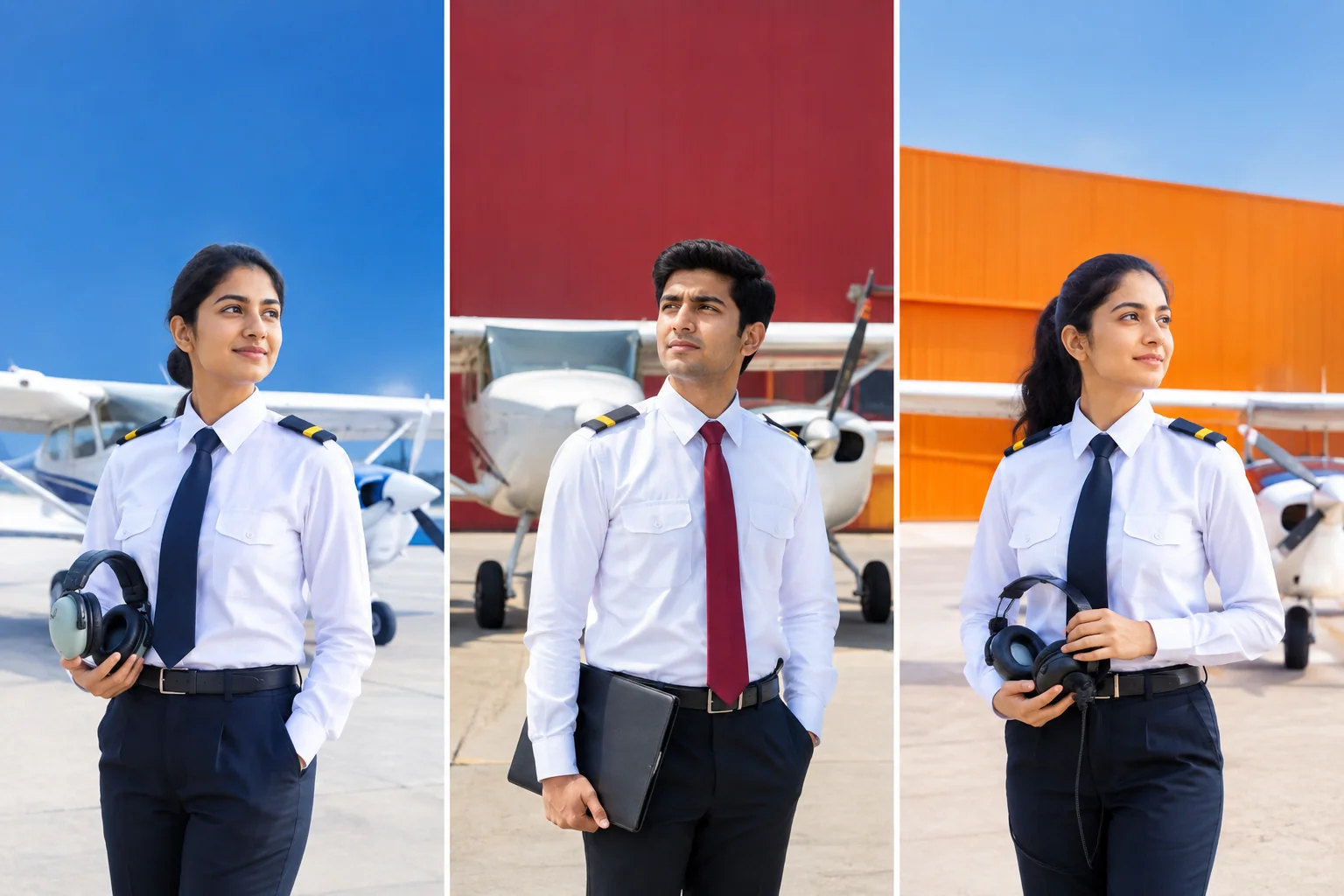
A cadet pilot program is an airline-linked training route. The airline selects you, then you complete ground training, Commercial Pilot Licence (CPL) flying and a type rating under its terms, usually across 24 to 36 months. Indian airlines running such programs include IndiGo, Air India and, since June 2026, Akasa Air through its SkyCadet program.
Key takeaways
Cadet fee: airline cadet program fees start from ₹89 lakh and go up to ₹1.5 crore. Compare that with the self-sponsored totals below before you decide.
Duration: a cadet pilot program usually runs 24 to 36 months from start to finish, so plan for at least two years before you are airline-ready.
Self-sponsored cost: in India a CPL is about ₹60 lakh and a type rating about ₹15 lakh; abroad the CPL is ₹50 to ₹70 lakh plus ₹3.5 to ₹11 lakh to convert the licence in India.
Terms decide the value: the mistake parents make most often is not checking the terms. Read bond, repayment, termination and Letter of Intent (LOI) wording before you pay anything.
Verify before you apply: airline programs change their eligibility and fees. Always check the airline's current notice, because this page cannot replace it.
Cadet pilot programs vs self-sponsored CPL at a glance
Factor | Airline cadet program | Self-sponsored CPL |
|---|---|---|
Who selects you | The airline, through its own application and assessment stages | You choose the flying school; the school admits you |
Typical duration | 24 to 36 months | Ground school, then flying; 200 hours is the usual range logged by the end of training |
Training location | Set by the airline (Air India has published Amravati plus partner schools abroad) | Your choice: India (Khajuraho), Tunisia, Malta or New Zealand |
Cost | ₹89 lakh to ₹1.5 crore, depending on the airline program | About ₹60 lakh CPL plus about ₹15 lakh type rating in India, roughly ₹75 lakh; ₹50 to ₹70 lakh CPL abroad plus ₹3.5 to ₹11 lakh conversion |
Bond, termination and repayment | Training can be discontinued mid-way depending on student performance, and cadet programs can require you to work for 5 years after the final LOI. Some airlines ask for ATPL exams after CPL and before type rating. Confirm every clause in writing before signing | No airline bond at the CPL stage; any loan repayment is with your bank |
Job certainty | Linked to an airline, but only as far as the LOI and terms commit | No airline commitment; you apply to airlines after CPL and type rating |
Funding | Per airline terms | Savings, bank education loans, installment plans |
We hear this question most often from students and parents in Delhi, Mumbai and Thrissur. They have heard of airline cadet seats, they have heard of agents selling overseas CPL, and nobody has laid the two side by side. This guide does that, using published program details where they exist and our own training data where they do not.
What is a cadet pilot program in India?
A cadet pilot program in India is an airline-linked training route. The airline selects you, then you complete ground training, CPL flying and a type rating under its terms, usually across 24 to 36 months. Airlines running such programs include IndiGo, Air India and, since June 2026, Akasa Air through SkyCadet.
The appeal is simple. You enter with an airline's name attached to your training, and the airline shapes the syllabus toward its own fleet and standards. The risk is just as simple: the more the airline controls, the more the terms matter.
Akasa Air announced its SkyCadet program on 11 June 2026, as reported by The Economic Times and The Hindu BusinessLine. It covers ground training, CPL flight training and a Boeing 737 MAX type rating, aligned with DGCA regulations and the airline's operating standards. Because it is new, expect details to keep moving.
Rian Air is a training academy, not an airline. We refer students to two or three cadet programs, including IndiGo, Air India and the newly launched Akasa SkyCadet, and we also train students on the self-sponsored route. That gives us a view of both sides, and we will say plainly where each one fits. We have trained over 200 pilots to date, and 48 students have started with us so far this year, with more expected.
How do the IndiGo, Air India and Akasa Air programs compare?
The three programs differ mainly in how you are selected, where you train and what the airline commits to afterwards. Air India has published an age band of 18 to 30 and training at its Amravati academy plus partner schools. Akasa Air's SkyCadet covers ground training, CPL flying and a Boeing 737 MAX type rating. Terms change, so verify each.
Program | Published details we can state | What to verify in the current notice |
|---|---|---|
IndiGo cadet program | IndiGo, India's largest passenger airline, runs a cadet program with a dedicated pilot-pathway page on its website. Eligibility and selection stages are listed on that page, so read them there rather than on a reseller's summary | Eligibility, each selection stage, fee, bond, repayment, training partners |
Air India Cadet Pilot Programme | Open to Indian citizens or OCI, age 18 to 30. CPL training at Air India Flying Academy in Amravati, Maharashtra, and two partner schools in the United States. Type rating at affiliated approved training organisations, including planned simulator centres in Gurugram. Source: Air India's published programme details | Current intake status, fee, bond, whether the Amravati or partner-school seat is offered to you |
Akasa SkyCadet | Launched 11 June 2026. Ground training, CPL flight training and a Boeing 737 MAX type rating, aligned with DGCA regulations. Source: Akasa Air's announcement as reported by The Economic Times and The Hindu BusinessLine | Eligibility, first batch dates, fee, bond, training locations |
We are deliberately not publishing any airline's terms and conditions sheet. Those are the airline's to publish, and they get revised. What we can share is the public fee range of ₹89 lakh to ₹1.5 crore. If an agent hands you a specific number "for IndiGo" or "for Air India", ask to see the airline's own document.
What the programs have in common
All three tie ground school, CPL flying and a type rating into one structured path. That removes the work of stitching together a ground school, a flying school and a type rating provider yourself. For a first-time family, that structure has real value.
Where they differ
Selection stages, age limits, medical timing, training location and repayment terms all differ. Do not assume that what held for one airline holds for another. A student comfortable with training in Maharashtra may not be comfortable with a partner school in another country, and the reverse is also true.
What does each route cost in total?
An airline cadet program costs ₹89 lakh to ₹1.5 crore. A self-sponsored CPL in India costs about ₹60 lakh, plus about ₹15 lakh for a type rating, so about ₹75 lakh. Abroad, the CPL runs ₹50 to ₹70 lakh depending on location, plus ₹3.5 to ₹11 lakh to convert the licence in India.

The self-sponsored figures come from our own student files and partner quotes, and they include miscellaneous expenses where noted. The cadet range is the public figure we are permitted to share. Treat any other cadet fee you read on a forum as unverified until you see the airline's notice.
Route | CPL cost | Extra to budget |
|---|---|---|
Airline cadet program | ₹89 lakh to ₹1.5 crore in total, per airline program | |
India (for example Khajuraho) | About ₹60 lakh | Type rating about ₹15 lakh |
Tunisia | Lower end of the ₹50 to ₹70 lakh range, including miscellaneous expenses | Licence conversion in India, ₹3.5 to ₹11 lakh |
Malta | Within the ₹50 to ₹70 lakh range | Licence conversion in India, ₹3.5 to ₹11 lakh |
New Zealand | ₹70 to ₹75 lakh, including miscellaneous expenses | Licence conversion in India, ₹3.5 to ₹11 lakh |
A worked comparison from our student files
One anonymised student's total spend came to ₹50 to ₹75 lakh across the abroad and India options we compared. The arithmetic below uses our own figures. A New Zealand CPL at ₹70 to ₹75 lakh plus conversion at ₹3.5 to ₹11 lakh reaches ₹73.5 to ₹86 lakh at the CPL stage. The India route is about ₹60 lakh CPL plus ₹15 lakh type rating, so about ₹75 lakh.
So for New Zealand, India is cheaper on the CPL stage alone. For Tunisia, where the CPL sits at the lower end of ₹50 to ₹70 lakh, the totals can come close to India once conversion is added. That is why we say the routes can end up similar, but not identical.
If a quote excludes type rating, add the ₹15 lakh. Against the cadet range of ₹89 lakh to ₹1.5 crore, a self-sponsored route at about ₹75 lakh is ₹14 lakh lower than the cheapest cadet fee (₹89 lakh minus ₹75 lakh).
Cost is only one side. The cadet fee buys an airline-linked path, with the termination and pacing risks described below. Ask every school whether type rating is inside or outside the quote.
Hourly rates and the conversion trap
Khajuraho flying is priced at ₹25,000 per hour on a single-engine aircraft and ₹60,000 per hour on a multi-engine aircraft. These are block-hour rates, meaning they apply when you buy flying in a large block. Students who return from abroad for conversion need only a small number of hours, and they pay extra on top of the block rate.
Conversion itself costs ₹3.5 lakh to ₹11 lakh. The low end covers the licence conversion check only. The high end covers recent flight experience, which can run to 21 to 22 hours depending on the flying training organisation in India. Plan 3 to 6 months for conversion.
Families who need to spread these amounts should read our guide to education loan eligibility for pilot training. Bank education loans are the main option students use to fund the self-sponsored route.
Selection process and eligibility: cadet seat vs self-sponsored
A cadet seat is competitive and conditional. A self-sponsored place is a purchase you control. That difference shapes everything from your age window to how you prepare in the six months before you start.
Airline cadet selection
Each airline publishes its own stages, usually an application, assessments and interviews, followed by medical clearance. For IndiGo, read the eligibility and selection stages on its own pilot-pathway page. Air India's published eligibility asks for an Indian citizen or OCI between 18 and 30. Akasa's SkyCadet is new enough that its rules may still be refined.
Prepare for aptitude and English communication stages, and do not pay a third party for a "guaranteed" seat. If an airline selects you, it does so itself.
Self-sponsored requirements
The DGCA's minimum qualification for a CPL is 10+2 with Physics and Mathematics. After that, the sequence is fairly standard:
Obtain a Class 1 medical before committing to flight training.
Complete DGCA ground exams: Air Navigation, Aviation Meteorology, Air Regulations, Technical General, and the RTR papers, plus the Technical Specific subjects.
Choose a flying school in India or abroad and complete the hours the DGCA requires, which include the 200-hour total across single and multi-engine aircraft.
Complete licence conversion if you trained abroad.
Complete a type rating and apply to airlines.
For the ground exam stage, RAPT, our question platform, carries over 1,000 questions per subject. In our experience students who work through 250 or more questions per subject are the ones who tend to clear. We also include five simulator hours in our programs; those carry no DGCA credit, so treat them as practice, not logbook hours.
If you are still deciding what to do after Class 12, our guide on how to become a commercial pilot in India after 12th walks through the first steps.
Bond, repayment and LOI terms: what to read before you sign
The bond and repayment terms are where cadet programs and self-sponsored plans differ most. The most common mistake we see parents make when choosing between a cadet seat and a conventional CPL is not checking the terms. The brochure is attractive; the clause that matters is a page further on.
Three risks we can state plainly:
Termination: training can be discontinued mid-way depending on student performance, and cadet programs can require students to work for 5 years after the final LOI.
Extra exams: after CPL, an airline sometimes asks the student to complete ATPL exams before type rating.
Pace set by the airline: training speed is managed by the airline and its affiliated organisations according to hiring capacity. Training is faster when the airline needs pilots soon and slower when it does not need them for the next few months. That can stretch your timeline and your living costs.
One of our students trained in the USA under an airline cadet program. Some students in the group were asked to complete extra simulator sessions to get solo. He received his LOI, but the program was terminated after about three-quarters of his training was complete. He then continued at another flight school and is about to complete the program. A Letter of Intent (LOI) is a statement of intent. Read what it commits the airline to, which conditions must be met, and what happens if you do not complete the program or fail a medical. We cannot disclose airline terms and conditions sheets here, so we will not describe any airline's other clauses.
Questions to put in writing
Bond: is there a service period after you join, and what is the exit cost?
Repayment: who pays for the type rating, and when is repayment due if you leave?
Termination: what standard in training triggers it, and what happens to fees paid?
LOI conditions: what must you achieve before the LOI converts into employment?
Location and pace: where exactly will you train, can the location change, and who controls the schedule?
Failure and delay: what happens if exams, medical or flying hours run over schedule?
Refunds: what is refundable, and under which conditions?
A useful test: if the person selling the program cannot show you these answers in a document, assume they are not agreed yet.
How our own promise works
For our DGCA exam training, 90% attendance is mandatory. If a student fails the exams more than 3 times, the student is entitled to their money back. There are more terms and conditions, so ask for the T&C sheet before you enrol. Regular students get their money back if they cannot clear the DGCA exams after ground training with Rian Air. In the Women Empowerment Program, students get 100% of their money refunded if they complete ground training and all DGCA exams within 240 days and move to one of our recommended schools for flight training. If they have trained at that flight school for more than 6 months, the entire amount is refunded. Terms and conditions apply. Use the same standard on every provider: ask for the sheet, read it, then decide.
Training location and timeline
Where you train affects cost, weather delays, the language of instruction and how fast you can finish. A cadet program sets the location for you. A self-sponsored student chooses, and the choice shows up directly on the bill.
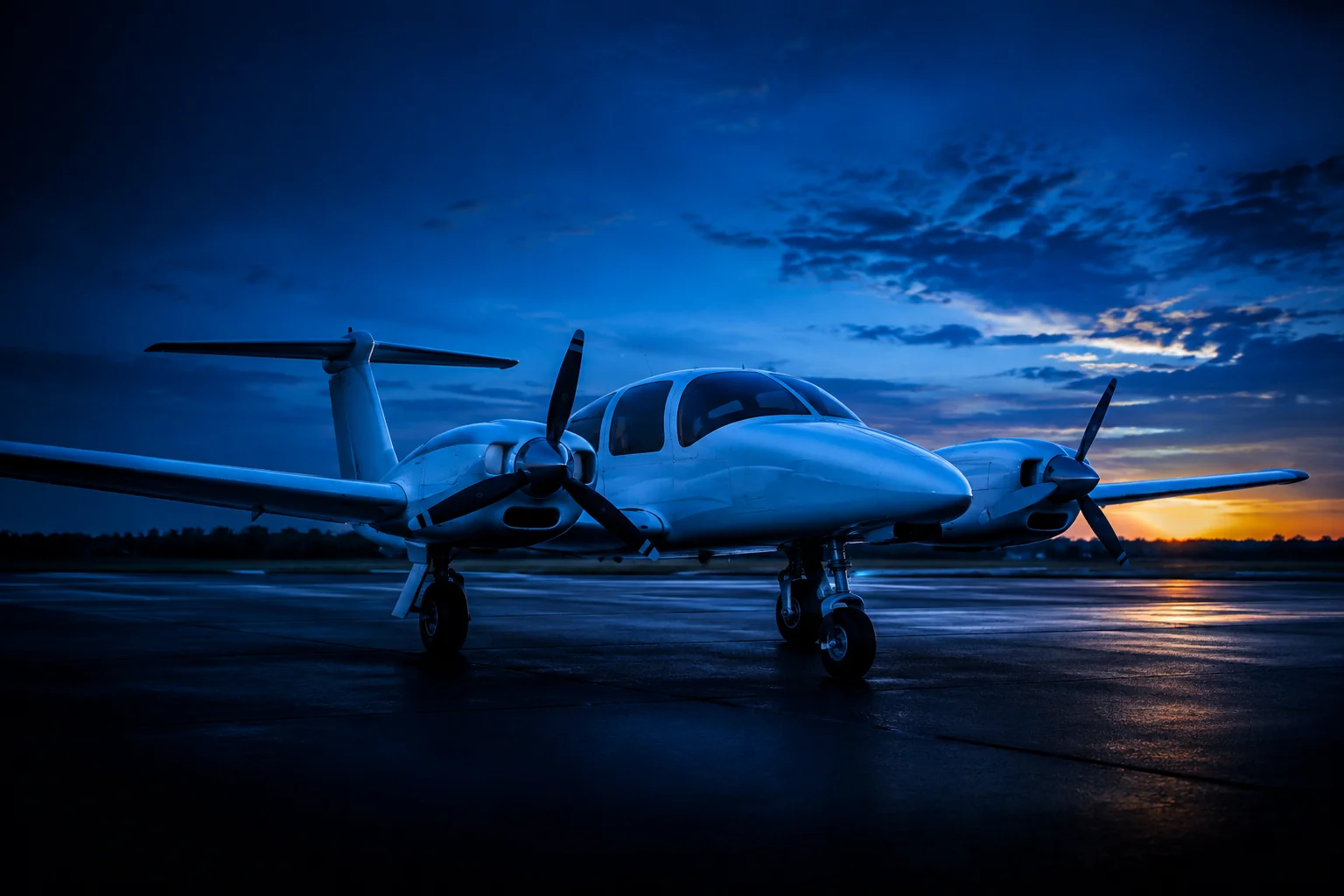
Air India has published training at its Amravati academy in Maharashtra and at two partner schools in the United States, with type rating at affiliated training organisations. For the self-sponsored route, Rian Air offers CPL pathways in India, Tunisia, Malta and New Zealand. Students typically log 150 to 200 hours by the end of training, whether at Khajuraho or abroad, and the DGCA requires 200 hours in total.
Our partner schools in Tunisia and Malta are both DGCA-aligned. If you want a side-by-side of those two countries and India, our guide to CPL training in India vs Malta vs Tunisia goes through weather, cost and conversion in more detail.
Timeline reality check
A cadet program usually runs 24 to 36 months, and the airline's hiring capacity can push it toward either end. A self-sponsored student's timeline depends on exam attempts, aircraft availability and conversion. Add 3 to 6 months if you train abroad and return to convert. Ask the airline in writing what happens to your fees and your seat if the schedule slips.
Job certainty: cadet seat vs self-sponsored CPL
Job certainty is the main reason families look at cadet programs, and it is also where the gap between marketing and contract is widest. A cadet seat links your training to an airline. It does not, on its own, tell you whether a flying job at the end is assured.
That depends on the LOI wording, the airline's hiring needs at the time you complete, and your performance throughout. Because the airline controls the training pace, a slow hiring period can mean slower training. Treat anyone who promises a guaranteed job with caution.
The self-sponsored route offers no airline commitment. You complete CPL and type rating, then apply to airlines and go through their selection. Many students fly for years on this route. The unresolved question is timing: hiring cycles are uneven, and a student who finishes during a slow year may wait.
For a deeper look at timelines and job security between the two routes, see our comparison of cadet pilot programs vs conventional training. Our pilot career pathways page also shows what comes after CPL, from airline roles to instructing.
How to choose: a decision checklist
Choose by reading the written terms first. Apply to airline cadet programs when you can accept the bond, termination and repayment terms and want an airline-linked route. Choose a self-sponsored CPL when you want control over school, location and timing, and can fund it through savings or a bank education loan. Many students do both.
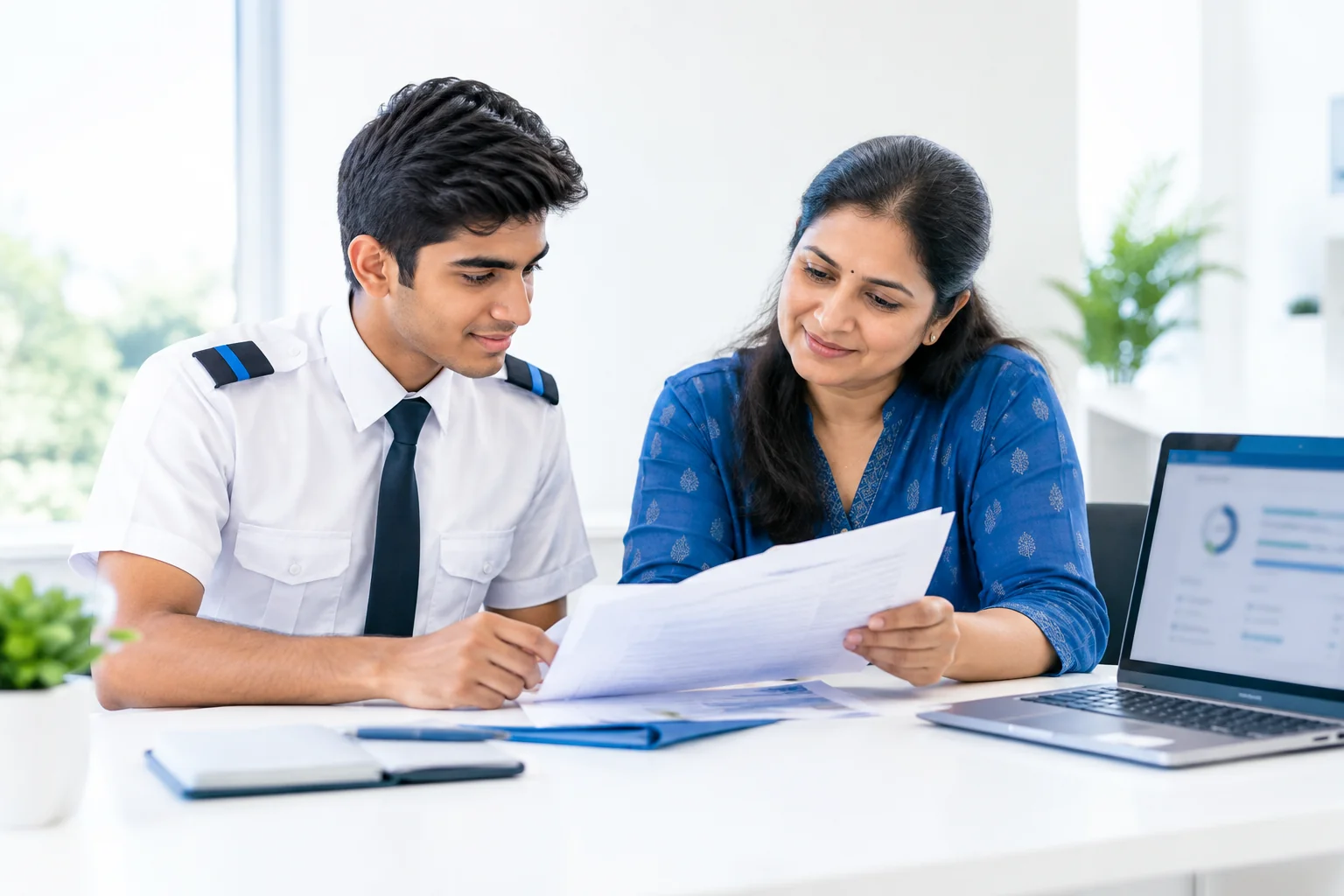
Get the airline's current notice. Use the airline's own site, not a reseller's summary.
Check eligibility first. Age, citizenship, qualification and medical standard rule out many applicants before cost does.
Request the full terms sheet. Look for bond, repayment, termination, refund and what the LOI promises.
Calculate total cost to a usable licence. Include conversion, type rating and living costs.
Compare locations. Weather, language, distance from home and visa rules all matter.
Plan the funding. Know whether you need a loan and how repayment starts.
Keep a parallel plan. Start your DGCA ground exams while you wait for airline results.
What we would do
If we were advising a 12th-pass student in Delhi with a family that can fund a self-sponsored route, we would apply to the cadet programs and begin DGCA ground exams in parallel. Ground exam progress is useful on either route and costs far less than flying. Whoever holds a cadet offer should still read the terms before accepting.
A family that cannot accept any bond should go self-sponsored. A family that cannot raise the funds should compare cadet terms carefully and read our guide on pilot training options for low-income students. Our Women Empowerment Program also offers zero* fee DGCA ground training for aspiring women pilots based on merit (*refundable commitment deposit applies).
Red flags to avoid
A seller who quotes an airline's fee but cannot show the airline's document.
A "guaranteed seat" in return for a payment to an agent.
No written answer on what is refundable.
A total cost quoted without conversion, type rating or miscellaneous costs.
Pressure to pay before you have read the terms.
Frequently asked questions
Which cadet pilot program is best in India?
There is no single best program. The right one is the program whose written terms you can accept on bond, repayment, training location and eligibility. Compare IndiGo, Air India and Akasa Air on those four points using each airline's current notice, then keep a self-sponsored CPL plan ready as a backup.
Is a cadet pilot program a guaranteed job?
Not automatically. A cadet program links your training to an airline, but what you receive is set by the Letter of Intent (LOI) and the program terms you sign. A student who is not up to the mark in training might be terminated. Read what the airline commits to, before paying anything.
How long does a cadet pilot program take?
A cadet pilot program usually takes 24 to 36 months from start to finish, covering ground training, CPL flying and type rating. The exact time depends on the airline's hiring capacity, aircraft availability and how quickly you clear your DGCA exams. Delay in any one stage extends the total.
How much does a cadet pilot program cost?
Airline cadet program fees start from ₹89 lakh and go up to ₹1.5 crore. Each airline sets its own payment terms, so check the airline's current notice. For comparison, a self-sponsored route in India costs about ₹60 lakh for the CPL and about ₹15 lakh for a type rating, so about ₹75 lakh.
Can I apply for a cadet pilot program after 12th?
Often yes, but every airline publishes its own criteria. Air India has published eligibility for Indian citizens or OCI aged 18 to 30. The DGCA's minimum for a CPL is 10+2 with Physics and Mathematics, so students from other streams should confirm eligibility before they apply.
Is CPL training abroad cheaper than in India?
Not reliably. Abroad, CPL costs ₹50 to ₹70 lakh depending on location, and licence conversion in India adds ₹3.5 to ₹11 lakh. In India, CPL is about ₹60 lakh. New Zealand at ₹70 to ₹75 lakh costs more than India, while Tunisia can come close. Compare the full quote, not the headline fee.
Can I get an education loan for pilot training?
Yes, students can use bank education loans for pilot training, subject to each bank's eligibility rules and the school's documents. Ask the bank what it covers, such as tuition, flying hours and living costs, and whether it funds training abroad, before you commit to a school.
What is the salary of a pilot in India per month?
Pay depends on the airline, aircraft type, rank and flying hours, so we do not quote one figure. First officers earn less than captains. Check the airline's current recruitment notice or offer letter for actual numbers, and compare them with your total training cost and any repayment.
What is the best pilot training academy in India?
The best academy for you gives a written total cost, real simulator time, visible progress tracking and a flight training pathway you can finish on schedule. Confirm the flying school's DGCA approval, ask for the full terms sheet, and compare quotes in writing before paying any fee.
Where can I do pilot training in Kerala?
Rian Air offers ground training in Kerala, with ground school tuition of ₹1 to ₹2 lakh, plus a C172 fixed-base simulator, the first of its kind in the state. Our five included simulator hours give practice but carry no DGCA credit. Flight training then follows in India or abroad.
How long does licence conversion take for students returning from abroad?
Licence conversion usually takes 3 to 6 months and costs ₹3.5 lakh to ₹11 lakh. The lower figure covers the conversion check alone. The higher figure includes recent flight experience, which can run to 21 to 22 hours depending on the flying training organisation in India.
Are pilot scholarships real?
Some are, but verify each one in writing. Rian Air runs a Women Empowerment Program with zero* fee DGCA ground training for aspiring women pilots based on merit (*refundable commitment deposit applies), and a gender-neutral merit-based scholarship. Be wary of any offer that demands large non-refundable payments.
Take the next step with a clear plan
Whether you aim for an airline cadet seat or a self-sponsored CPL, the decision comes down to terms you have read and costs you have added up. If you are in Delhi, Mumbai or Thrissur and want a plan built around your budget, start your pilot journey with Rian Air and ask for our terms sheet before you decide.
For daily updates on exam preparation and training news, follow Rian Air on Instagram, or subscribe on YouTube for walkthroughs of the DGCA exam stages and training routes. Airline programs change often, so check each airline's current notice before you apply.